School furniture purchasing standards are changing as educational institutions pay closer attention to classroom comfort, safety, and long-term usability. A Customizable School Desk and Chair Supplier can help schools create learning environments that support both students and teachers through practical furniture solutions. Instead of focusing only on appearance or cost, many schools are now evaluating how classroom furniture performs during daily educational activities.
Growing Attention to Classroom Safety
Safety has become an important factor in school furniture selection. Since desks and chairs are used throughout the school day, schools often prefer products designed with stable structures and student-friendly details.
Rounded corners and smooth edges are commonly requested to help reduce accidental contact during classroom movement. Stable desk frames and balanced chair designs are also important, especially in classrooms with younger students.
Material safety is another major concern. Many schools look for furniture made from materials that meet environmental and indoor-use standards. Surface finishes, coatings, and adhesives are often reviewed carefully to ensure they are suitable for educational environments.
Easy maintenance is also connected to classroom safety. Furniture with smooth surfaces and durable finishes can support regular cleaning while helping classrooms remain organized and comfortable for students.
Why Ergonomic Design Matters
Students spend long hours sitting during lessons, which has increased interest in ergonomic classroom furniture. Schools are paying more attention to seating comfort and desk height because these factors may influence classroom experience and posture support.
Adjustable desks and chairs are frequently selected for classrooms with students of different age groups. Height flexibility allows schools to create seating arrangements that better match student needs throughout the academic year.
Back support and seating comfort are also important considerations. Many schools prefer chairs designed to support natural sitting positions during reading, writing, and classroom activities.
Furniture with ergonomic features may also help classrooms feel more comfortable during long study sessions. As schools continue to modernize learning spaces, ergonomic furniture is becoming a common part of classroom planning.
Durability and Daily Classroom Use
Classroom furniture is used continuously, so schools often evaluate durability before making purchasing decisions. Strong steel frames, scratch-resistant surfaces, and reinforced desk structures are commonly preferred for long-term educational use.
Schools may also look for furniture that can handle frequent movement and classroom rearrangement. In flexible learning environments, desks and chairs are often moved for group activities, workshops, and collaborative lessons.
Easy assembly is another practical concern. Schools and project contractors usually prefer furniture that can be installed efficiently with clear instructions and complete accessories.
Customization for Different Learning Spaces
Different classrooms require different furniture solutions. Early education environments may need colorful and compact furniture, while secondary schools often prefer larger desks and more neutral classroom designs.
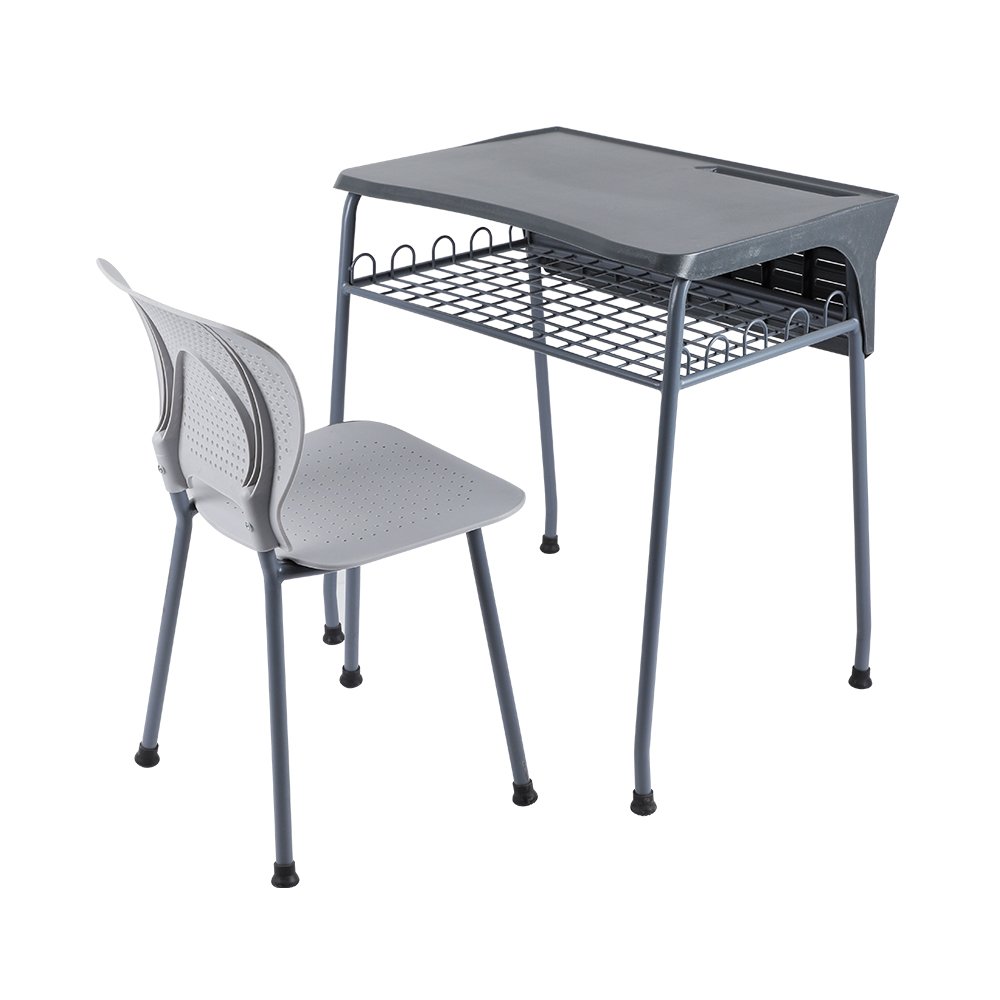
Customization allows schools to select materials, dimensions, colors, and functional features suitable for specific educational settings. Some schools request desks with storage baskets, while others focus on movable classroom furniture for collaborative learning spaces.
Technology-friendly furniture is also becoming more common. Desks designed for tablets, laptops, and digital learning materials are increasingly requested in modern classrooms.
Environmental and Practical Considerations
Many educational institutions are also paying closer attention to sustainability and responsible material selection. Furniture made from recyclable materials or responsibly sourced wood products is receiving growing interest in the education sector.
Practical maintenance remains important as well. Schools usually prefer surfaces that are easy to clean and resistant to daily wear. Durable materials can help furniture maintain a consistent appearance during long periods of classroom use.
Modern classroom furniture purchasing now involves more than basic functionality. Safety, ergonomics, customization, and durability are all influencing how schools choose desks and chairs for educational spaces. Furniture suppliers that support these requirements can help schools create organized and comfortable learning environments suited to today’s classroom needs.

Live up to the trust of every customer and strive to create high-quality Shanfeng.
Find Us
Product Center
Contact Details

 English
 русский
 عربى
عربى
 中文简体
中文简体
