
 English
 русский
 عربى
عربى
 中文简体
中文简体
Apartments shrink. Dining areas double as home offices. Balconies become dinner spots. A m...
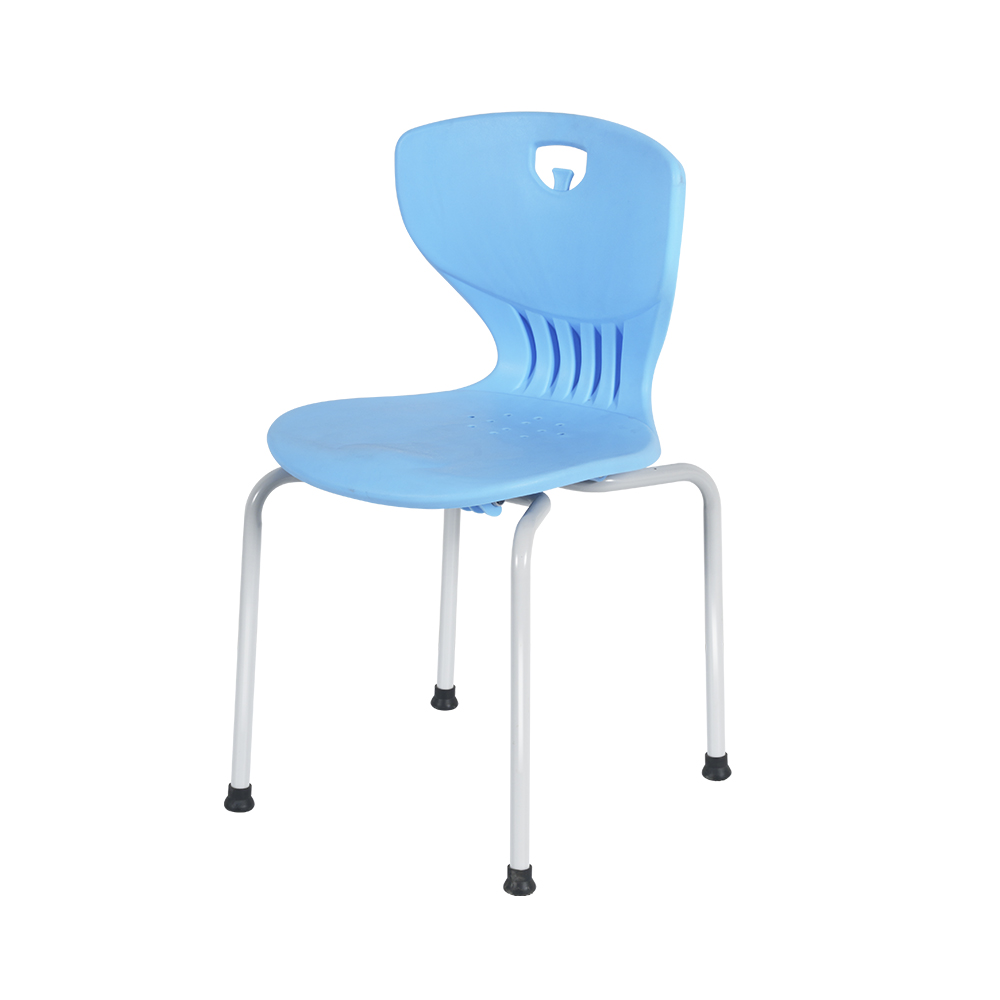
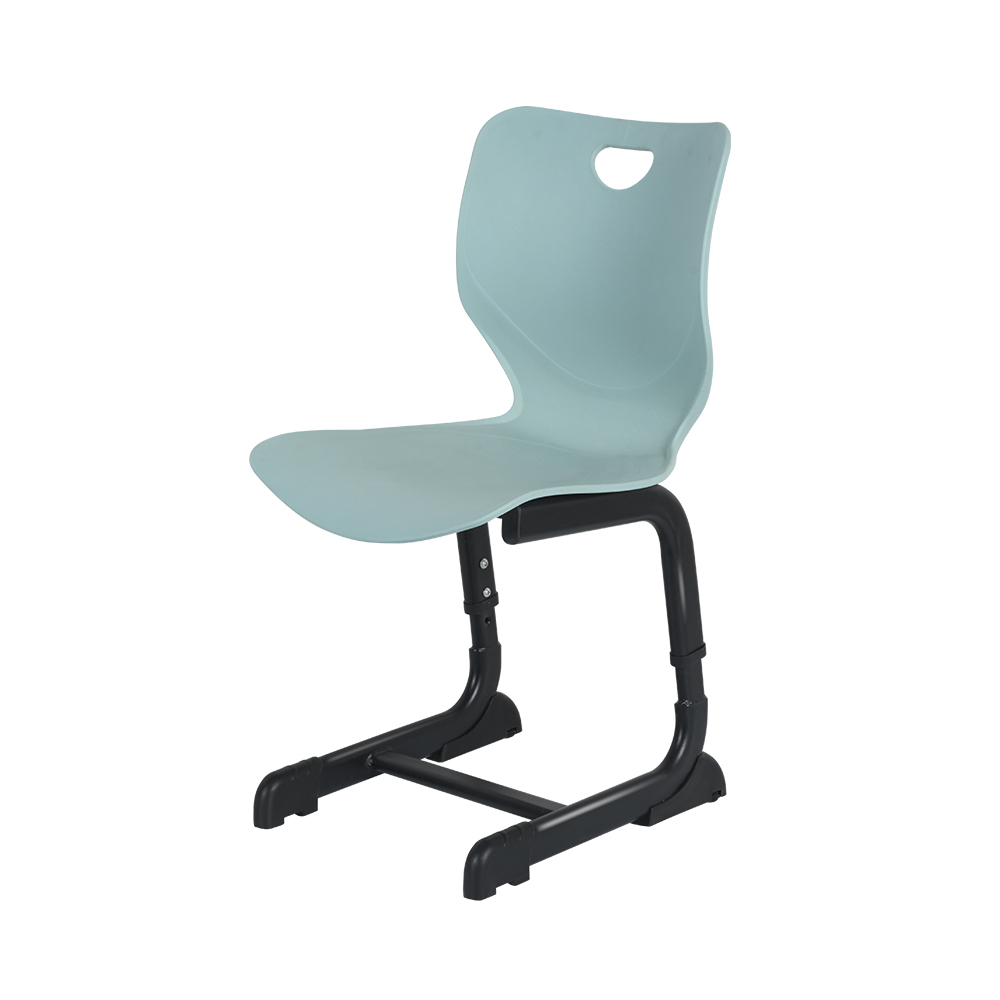
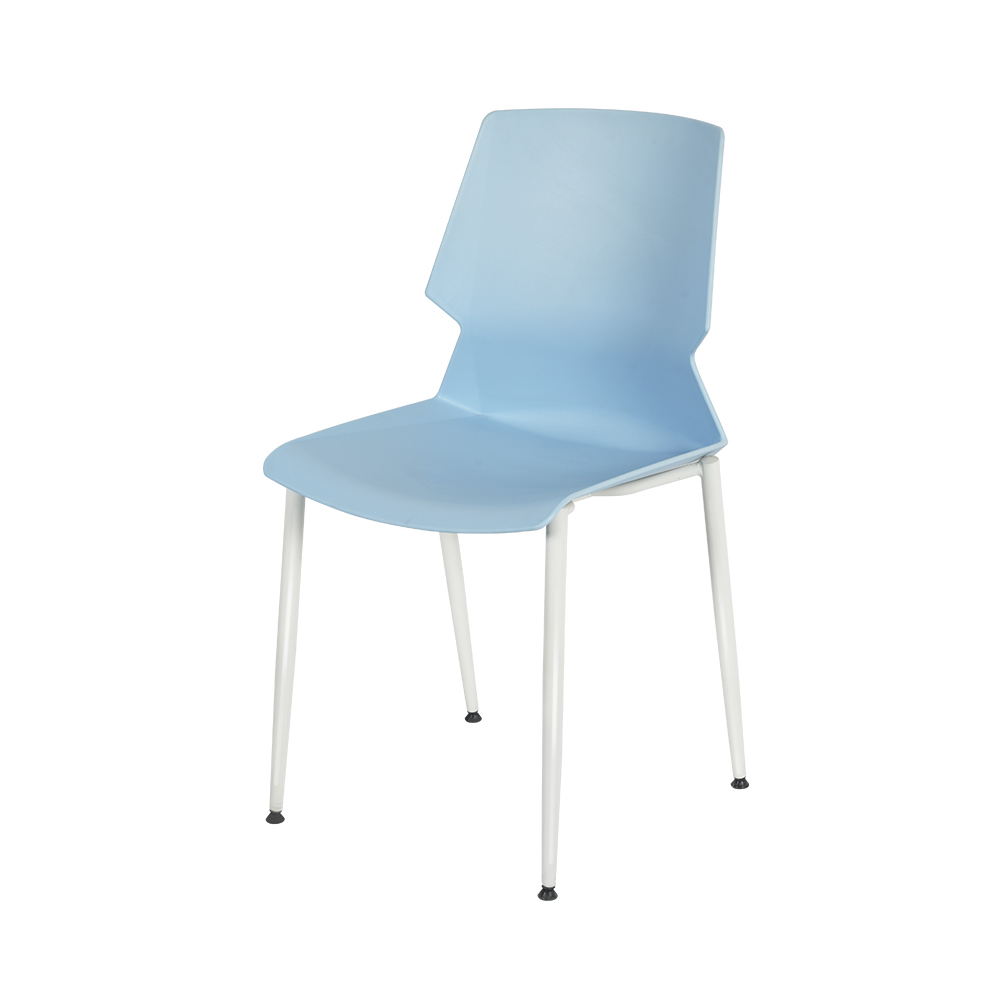
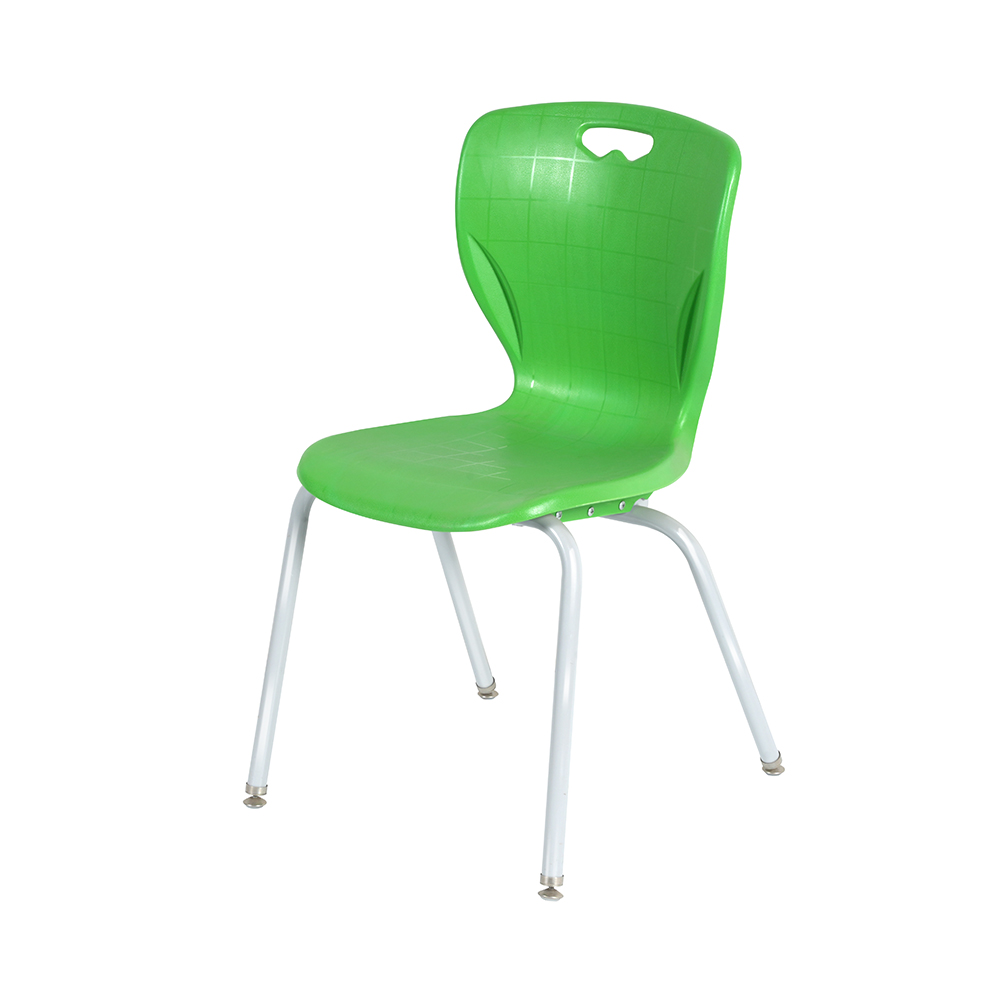
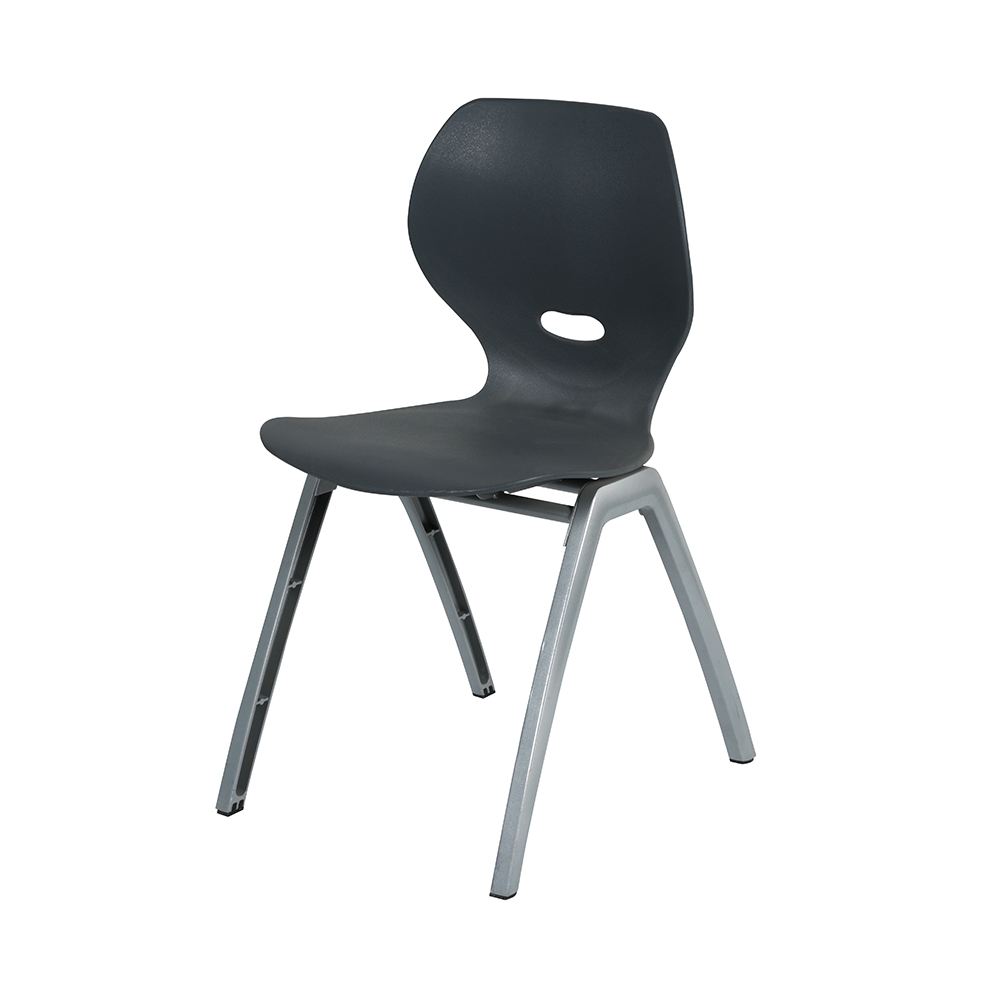
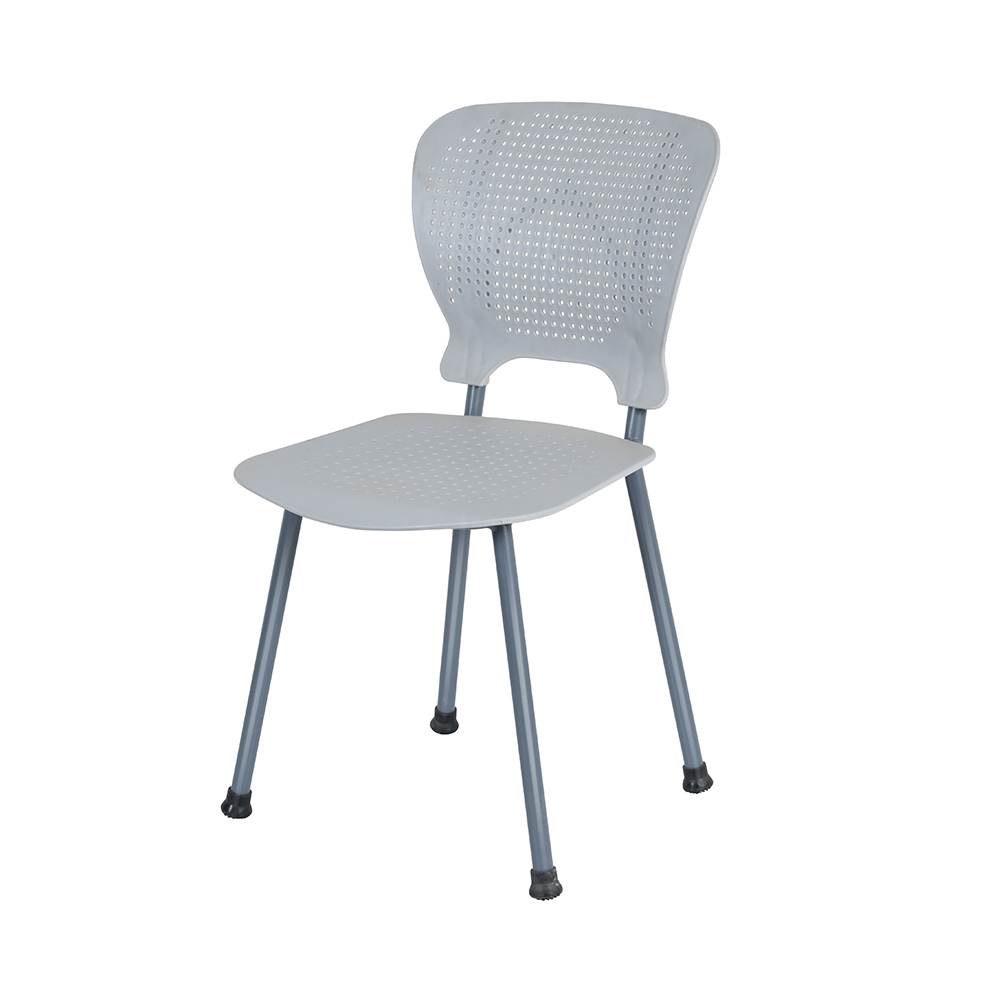
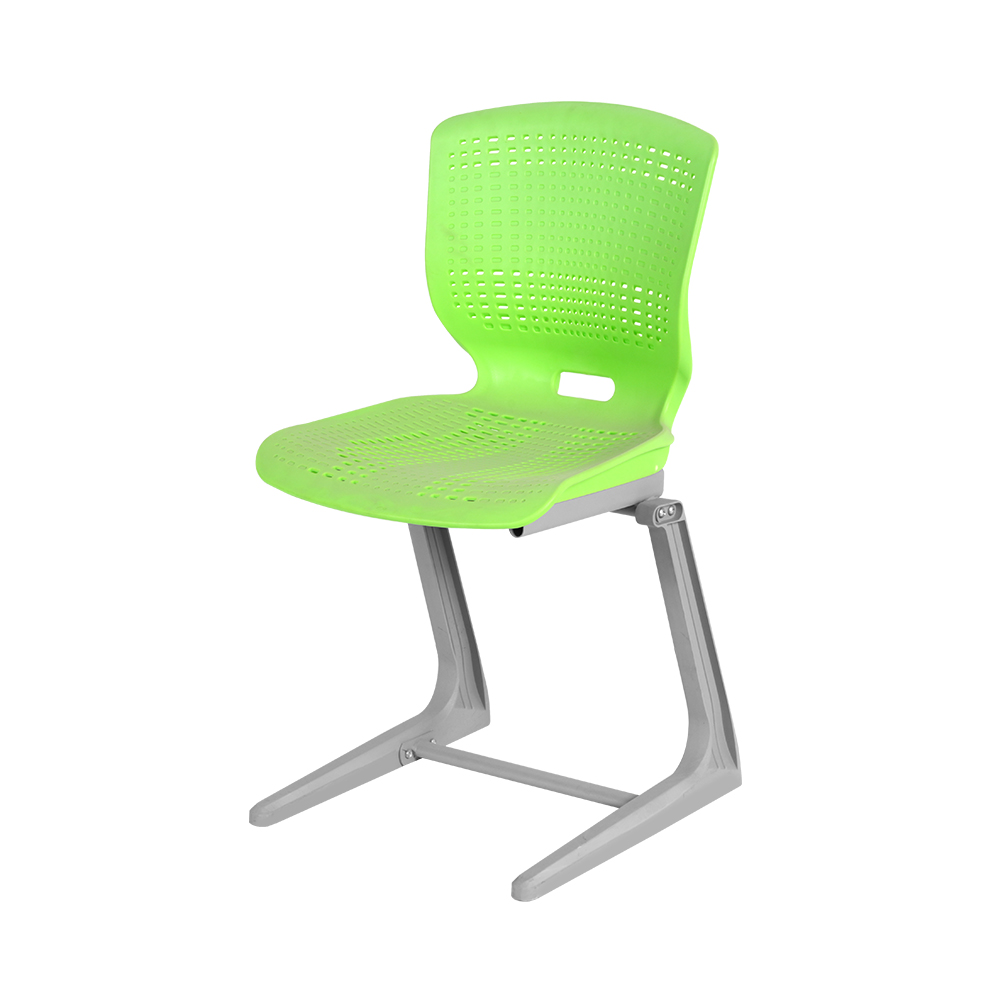
READ MOREChairs for school environments are essential furniture pieces designed to support students and educators throughout the academic day. These chairs cater to diverse educational settings, from primary classrooms to high schools and specialized learning spaces. Designed with functionality, durability, and ergonomics in mind, they prioritize comfort to facilitate focus, engagement, and long-term use.
Primary Use Case:
School chairs are tailored for classroom settings, libraries, laboratories, and collaborative learning environments. They are engineered to accommodate students of various ages and sizes, offering a balance of stability and adjustability (where applicable). The design often incorporates lightweight yet sturdy materials to ensure ease of movement during classroom reconfigurations while maintaining structural integrity over time.
Design Features:
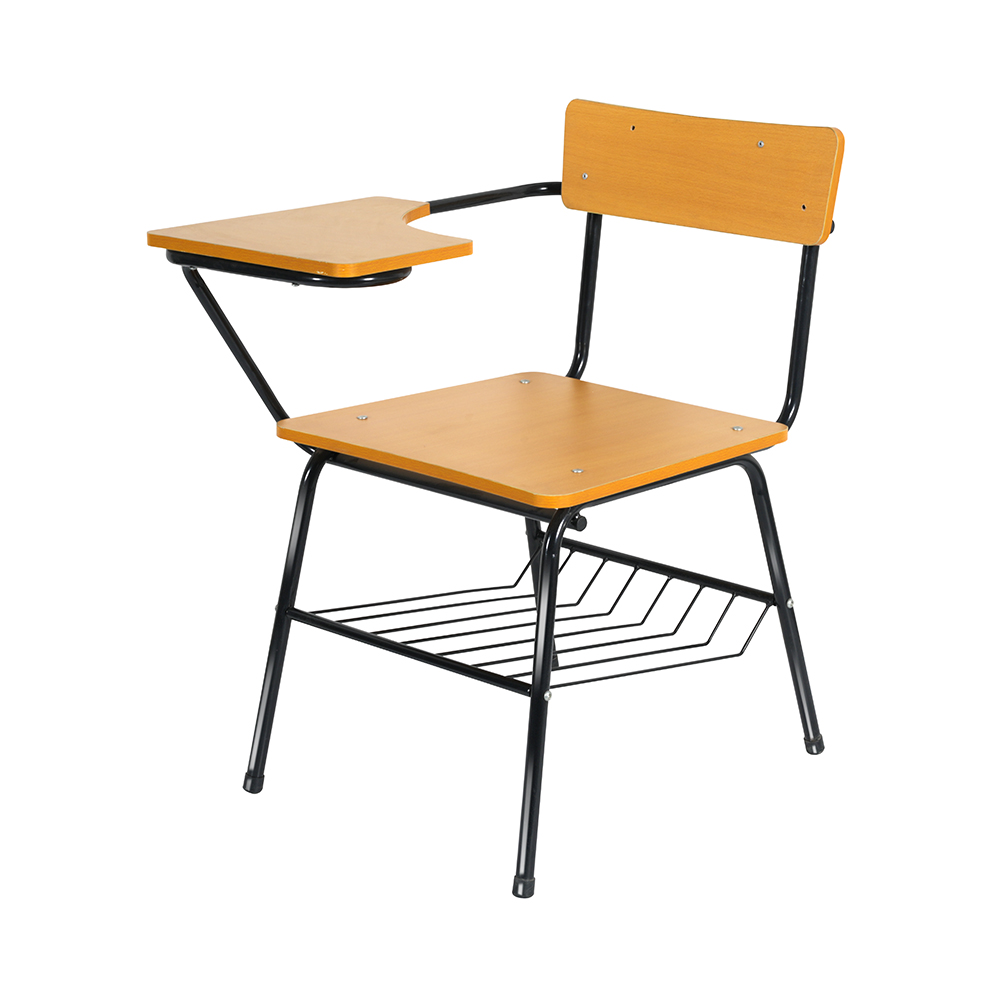
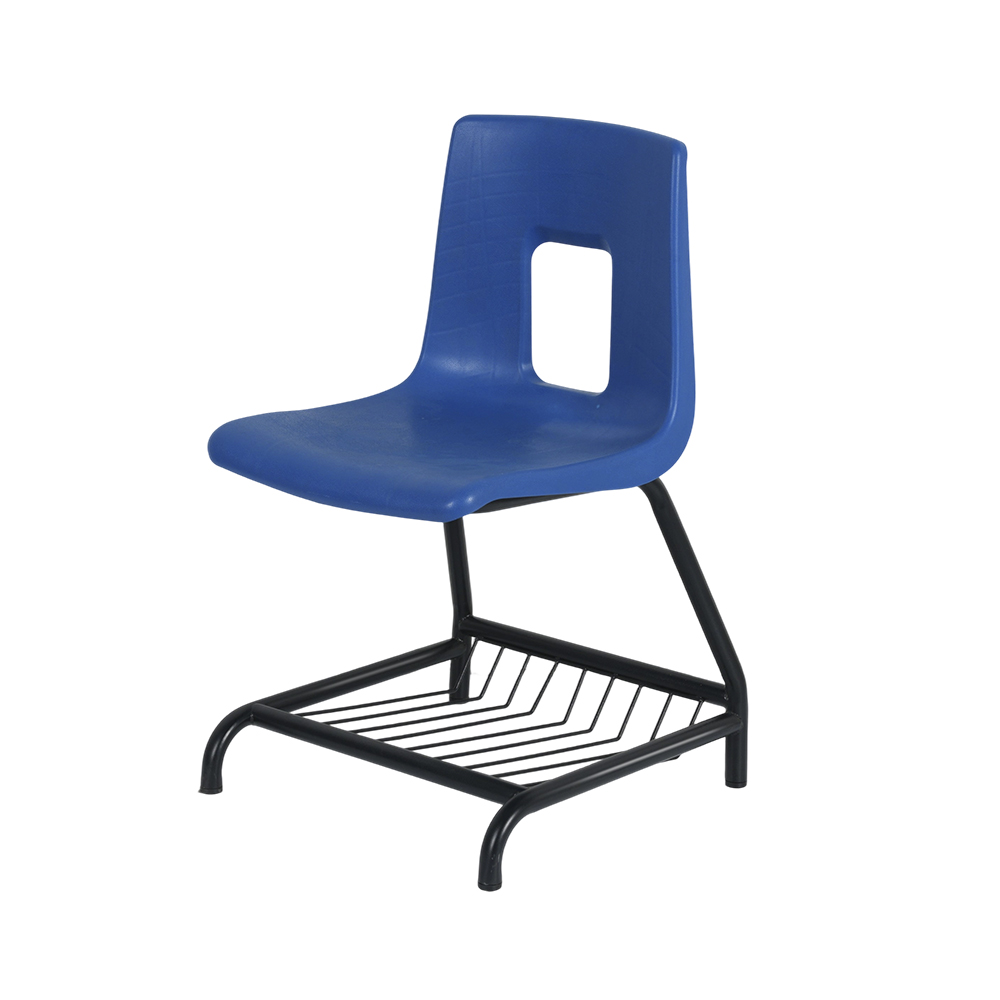
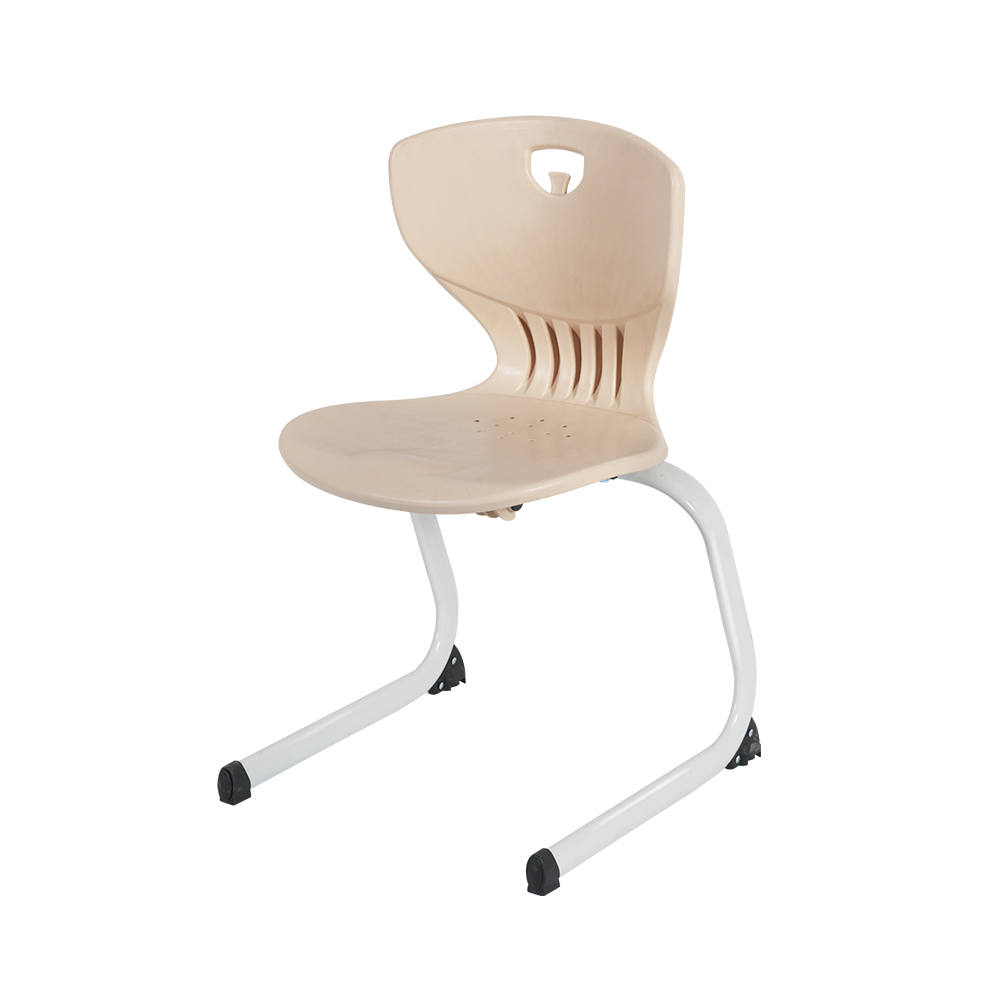
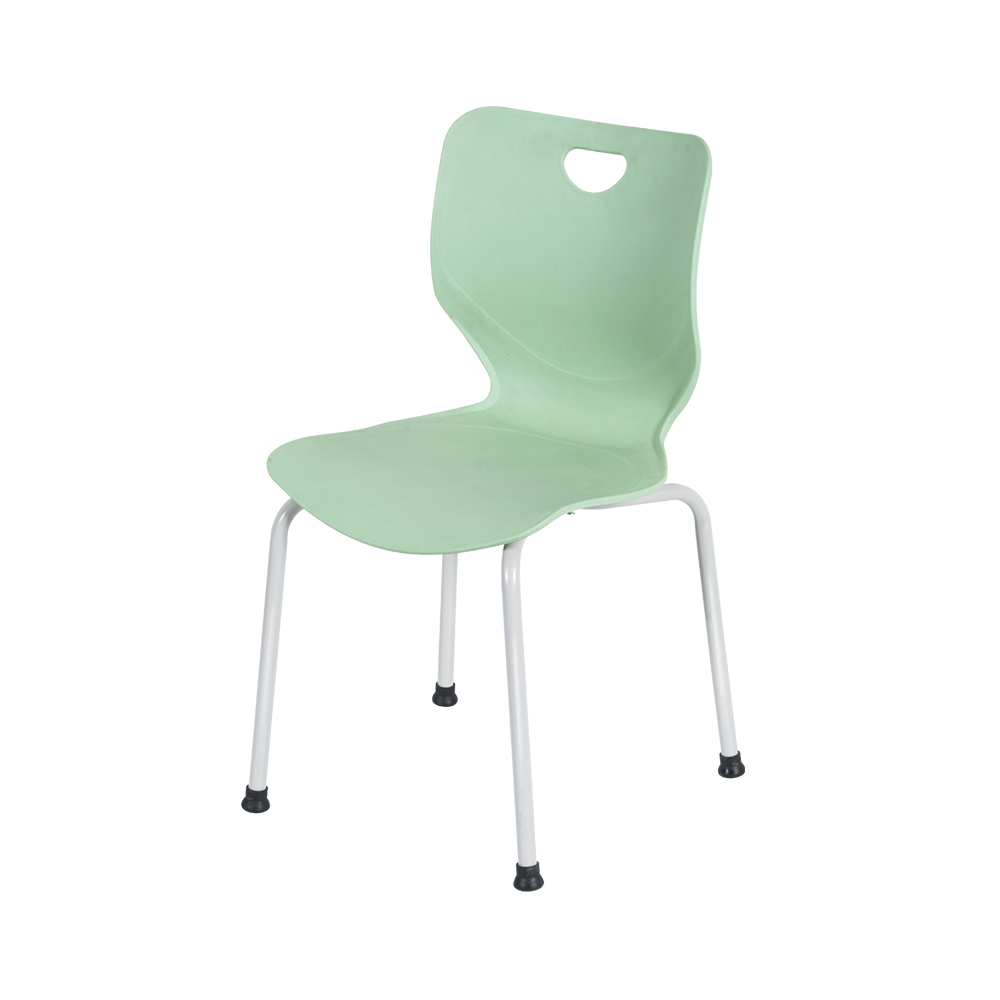
These chairs typically feature a compact footprint to optimize space efficiency in crowded classrooms. They may include contoured seat pans to support proper posture and reduce fatigue, as well as waterfall edges to improve leg circulation. Backrests often mimic the natural curve of the spine, encouraging healthy sitting habits. Materials range from durable polypropylene to wood finishes, with options for upholstered seat pads for added comfort. Designs may also reflect modern educational aesthetics, incorporating neutral tones or vibrant colors to suit institutional branding or student preferences.
Versatility and Adaptability:
School chairs are engineered for durability to withstand daily use, including frequent repositioning and occasional bumps. Many models are stackable or foldable to simplify storage during recess, assemblies, or cleaning schedules. Modular systems allow chairs to pair with corresponding desks or tables, promoting consistency in classroom layouts. Additionally, some designs include attachments for bookrests or tablet holders, adapting to evolving educational tools.
Safety and Maintenance:
Constructed with rounded edges and slip-resistant bases, school chairs prioritize student safety while reducing cleaning challenges. Materials are resistant to spills, scratches, and wear, ensuring longevity even in high-traffic areas. Quick disassembly options may facilitate repairs or sanitization, supporting hygiene protocols.
Target Audience:
This category serves educational institutions—including public and private schools, charter academies, and administrative facilities—seeking reliable, cost-effective seating solutions. The chairs aim to create a conducive learning atmosphere by addressing both functional needs and comfort, fostering an environment where students can thrive academically and physically.

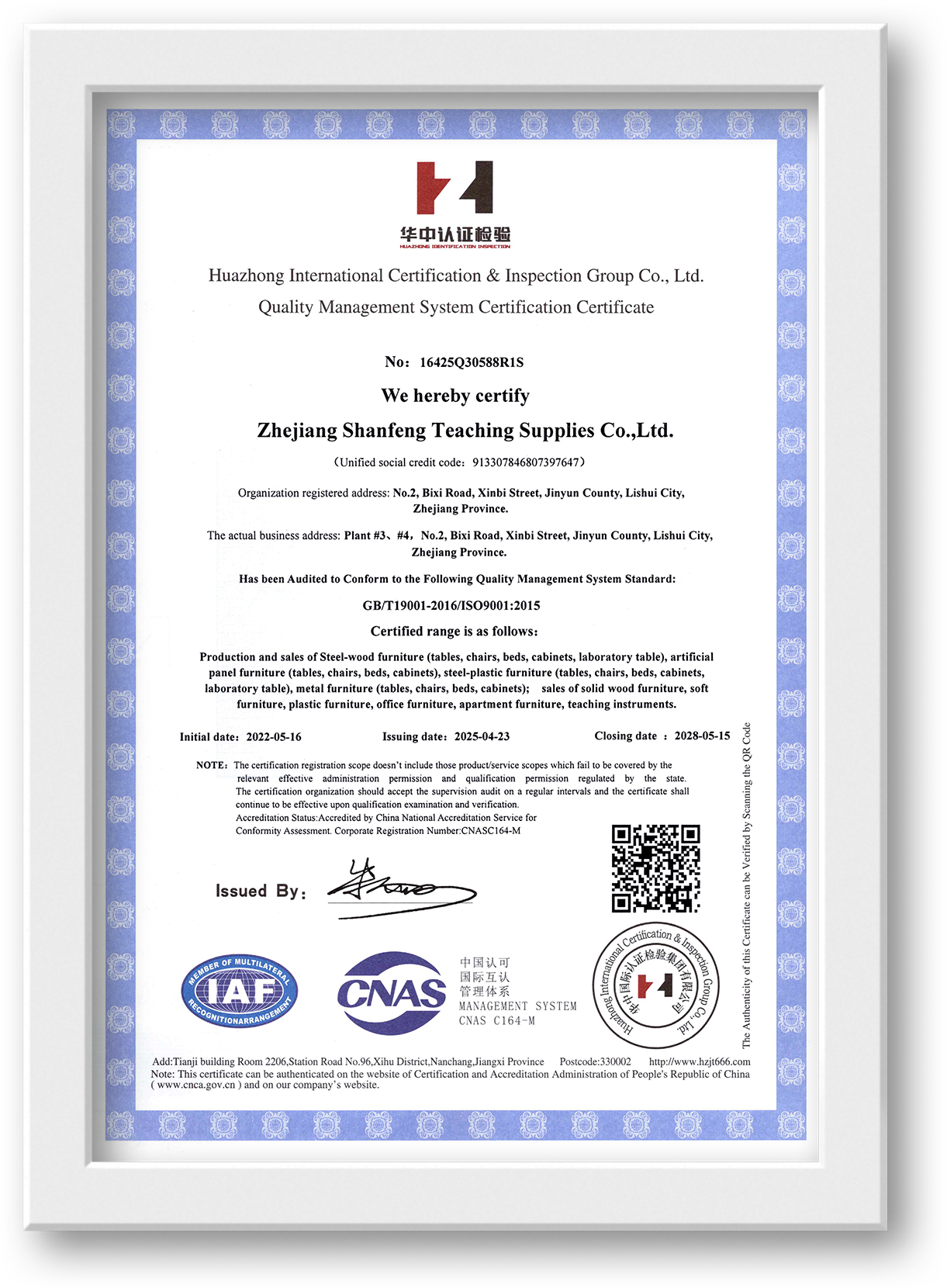
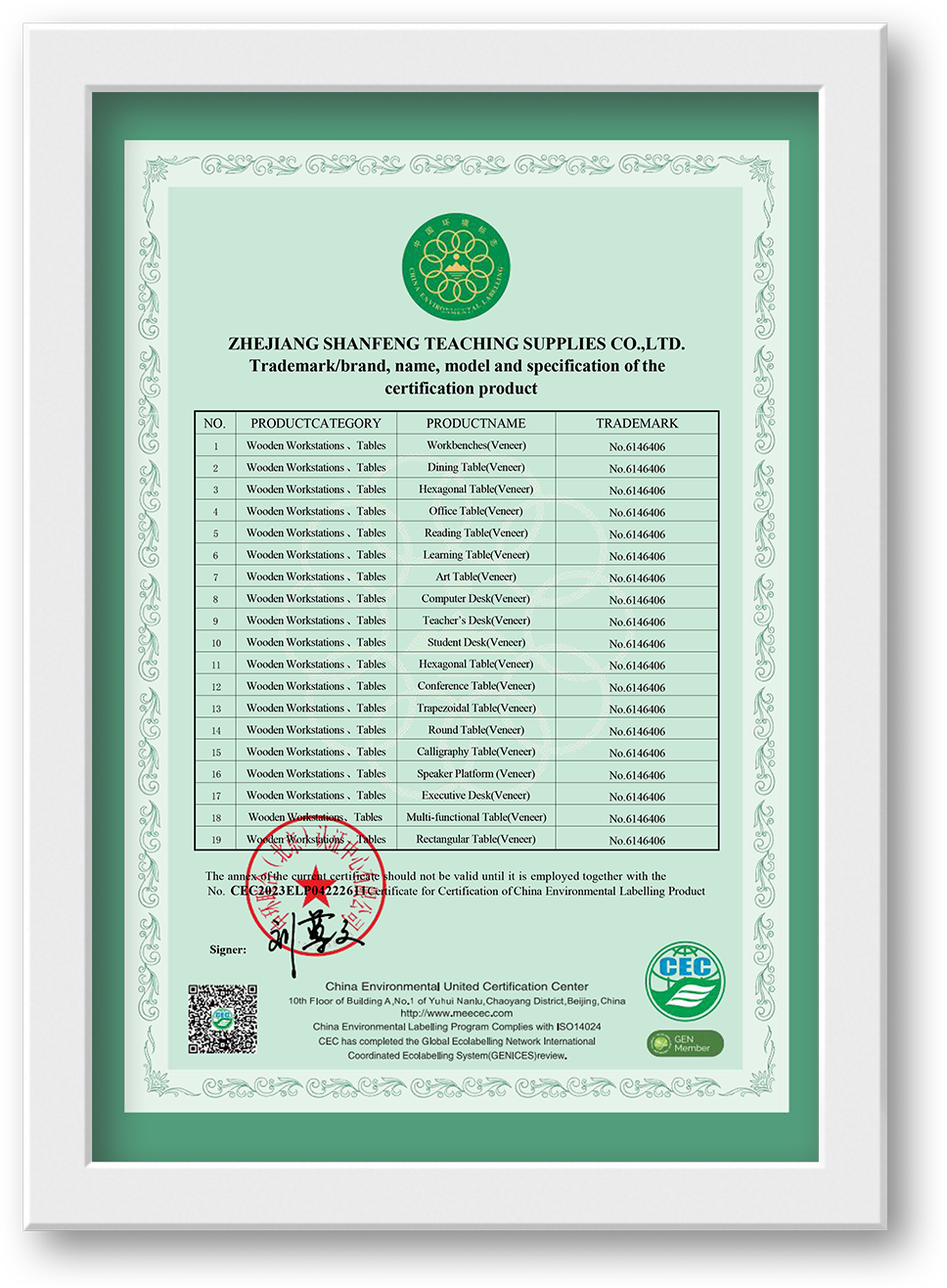
Zhejiang Shanfeng Teaching Equipment Co., Ltd. is a China Single Chair suppliers and high quality Single Chair factory, committed to providing high-quality, durable, and aesthetically pleasing steel and wood furniture solutions for schools, enterprises, institutions, and public spaces.

Apartments shrink. Dining areas double as home offices. Balconies become dinner spots. A m...
READ MOREA high quality school bunk bed supplier ships hundreds of metal frames each year to dormit...
READ MOREFlat floors are a problem in any venue. The person in front blocks the view. People lean l...
READ MOREFlat floors have a problem. The person in front blocks the view. You lean left. You lean r...
READ MORESingle chairs are a fundamental piece of furniture in educational institutions and public spaces. Unlike benches or group seating, single chairs provide individual seating, offering flexibility and personal comfort. These chairs are widely used in classrooms, lecture halls, libraries, and other public environments. Choosing the right single chair can enhance user experience, improve posture, and contribute to the overall aesthetics of the space.
A school single chair is designed to meet the specific needs of students. Factors such as ergonomics, durability, and adaptability are important. Ergonomic design ensures that students maintain a comfortable posture during long hours of sitting, which can support concentration and reduce physical strain. Materials used in school single chairs, such as high-quality plastics, metals, or wood, should withstand daily wear and tear while being easy to clean and maintain.
Classroom single chairs play a critical role in creating an effective learning environment. Comfortable seating can improve student engagement, as discomfort or improper posture may prominent to distraction. Modern classroom single chairs are often lightweight for easy rearrangement, stackable for efficient storage, and compatible with desks of various sizes. Adjustable height options allow chairs to accommodate students of different ages and sizes, providing a more inclusive classroom setup.
The construction of single chairs is an important factor for both durability and comfort. Materials commonly used include molded plastic, metal frames, wood, and composite materials. Plastic chairs are lightweight and easy to clean, making them ideal for high-traffic areas. Metal-framed chairs provide stability and strength, suitable for long-term use. Wooden chairs offer a more traditional aesthetic and can be designed with ergonomic contours. Combining these materials can balance durability, comfort, and style.
Safety is a critical consideration for school single chairs. Chairs should meet relevant safety standards to prevent accidents, especially in classrooms with younger children. Rounded edges, stable legs, and non-toxic finishes are common safety features. Additionally, chairs should be resistant to tipping and provide adequate support for varying student weights. Compliance with local regulations ensures that furniture is suitable for educational environments and reduces liability concerns for institutions.
Ergonomics is central to the design of classroom single chairs. Proper seat depth, backrest height, and support angles can reduce strain on the spine and promote a healthier sitting posture. Some designs include contoured seats, lumbar support, or flexible backrests to accommodate natural movements. For school environments, adjustable features are particularly valuable, as they allow chairs to grow with students and adapt to different classroom activities.
Single chairs offer flexibility in arranging classroom or public spaces. Unlike fixed seating, these chairs can be easily moved to create different layouts for lectures, group discussions, or collaborative projects. Stackable or foldable designs further enhance space management, allowing institutions to maximize floor space when chairs are not in use. For multipurpose rooms, the ability to rearrange seating quickly is a key advantage.
While functionality is critical, aesthetics also play a significant role. Single chairs contribute to the visual appeal of classrooms, libraries, and other educational spaces. Color, shape, and finish can be chosen to complement the overall design theme. Bright colors or patterned finishes can make spaces more inviting for students, while neutral tones may be preferred for professional or administrative areas. Thoughtful design enhances the learning environment and creates a welcoming atmosphere.
Durability and ease of maintenance are practical concerns for any educational facility. Materials should be resistant to scratches, stains, and moisture. Chairs with removable parts or simple construction are easier to clean and repair. Investing in well-constructed school single chairs ensures long-term usability, reducing the need for frequent replacements and contributing to cost efficiency for institutions.
Sustainability is increasingly important in furniture design. Many single chairs are now made using recyclable materials or eco-friendly production methods. Choosing chairs with sustainable features helps schools and public institutions reduce environmental impact. Additionally, durable chairs contribute to sustainability by reducing waste associated with frequent replacements.

Live up to the trust of every customer and strive to create high-quality Shanfeng.
Find Us
Product Center
Contact Details
