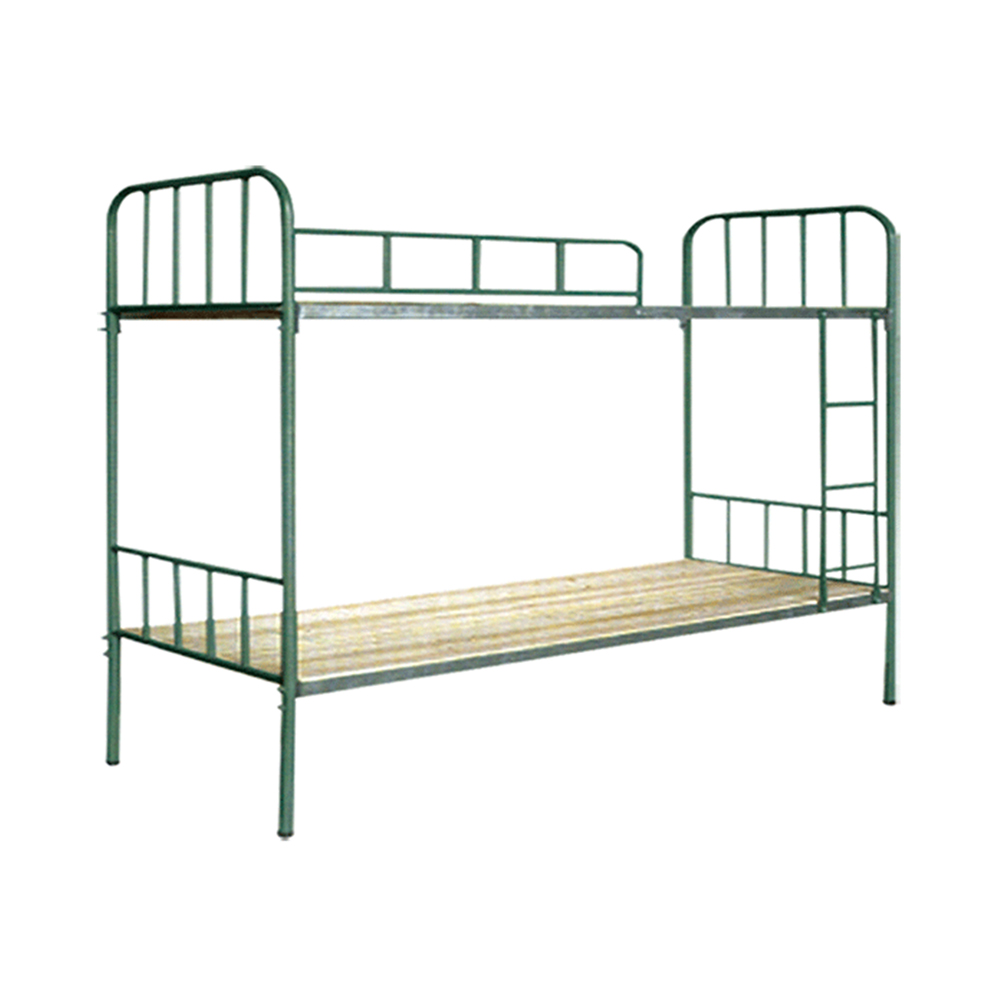
A high quality school bunk bed supplier ships hundreds of metal frames each year to dormitories, boarding schools, and summer camps. The beds arrive with sturdy ladders, secure guardrails, and clean powder-coat finishes. Within a year of installation, the same beds develop loose joints and shifting frames. The mattresses remain intact. The paint still holds. But the welded connections have fatigued. The high quality school bunk bed supplier that cannot maintain its weld integrity delivers beds that wobble and creak while the structural steel itself remains perfectly sound. The welds fail before the mattress shows any impression.
The bed frame consists of steel tubes welded at corners and cross-supports. Each weld must penetrate through the tube wall into the joint. A high quality school bunk bed supplier with inconsistent welding parameters produces some joints with full penetration and others with shallow surface beads. Shallow welds hold under light loads. Under the weight of two sleeping students and the repeated motion of climbing and shifting, shallow welds crack. The bed rocks. The school replaces the bed while the steel tubing remains straight and rust-free.
Several variables determine whether a weld survives years of student use:
A high quality school bunk bed supplier that monitors these four variables produces beds that stay solid through graduation. One that prioritises production speed over weld quality ships beds that fail at the joints, and the school buys replacements from another supplier.
Powder coating covers the weld. A rough, porous, or undercut weld looks smooth and clean after coating. The school inspects the bed, sees a uniform finish, and approves the shipment. Months later, the weld cracks under load. The powder coat splits open. The crack propagates through the shallow weld. The school blames the steel. The steel is fine. The weld was defective from the start, and the powder coat hid it.
Students climb in and out of the top bunk. The guardrail receives repeated stress at its attachment points. A high quality school bunk bed supplier that uses small fillet welds at these attachment points creates joints that fatigue faster than larger, better-shaped welds. The guardrail loosens. The school tightens bolts. The weld cracks further. The bed becomes unsafe while the guardrail tube remains intact.
A high quality school bunk bed supplier whose customers report these signs knows the welds are fatiguing. Schools that catch these signs early can reinforce joints before a weld fails completely. Those that ignore them wait until the bed collapses.
The high quality school bunk bed supplier sells steel frames that should last decades. The steel tube has decades of life. The powder coat protects against rust. The mattress wears out and gets replaced. The ladder bends and gets straightened. But the welds crack, and the bed becomes scrap. The high quality school bunk bed supplier that cannot produce consistent welds ships beds that fail while every other component remains ready for another year of use. The weld goes first, and the rest of the bed follows.

Live up to the trust of every customer and strive to create high-quality Shanfeng.
Find Us
Product Center
Contact Details

 English
 русский
 عربى
عربى
 中文简体
中文简体
