School furniture is a crucial element in shaping the learning environment. It affects not only the comfort of students and teachers but also the overall functionality of classrooms and other educational spaces. Properly designed furniture supports students' posture, encourages focus, and facilitates efficient use of space. Among the wide variety of furniture available, the School Desk and Chair Set plays a central role in daily classroom activities, while Cafeteria Dining Furniture and Lecture Hall Seating contribute to comfort and organization in communal areas and larger learning environments. Understanding how these pieces fit together can help educational institutions create spaces that enhance learning and productivity.
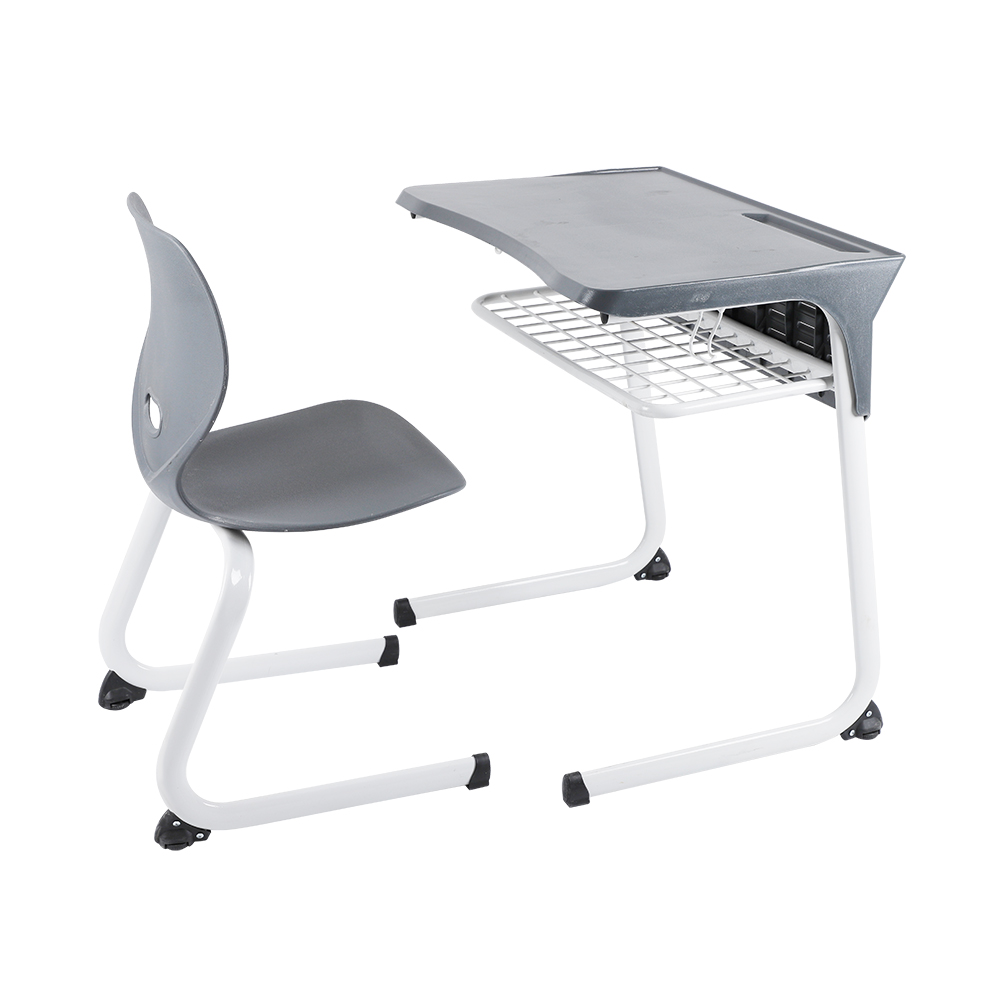
A well-designed School Desk and Chair Set serves as the foundation for a comfortable and productive classroom. Modern classroom furniture goes beyond simple desks and chairs, incorporating features that support ergonomic posture, durability, and adaptability. Adjustable heights, contoured seats, and spacious desktops are commonly integrated into school desk sets to accommodate students of varying ages and sizes. These features help reduce physical strain during long periods of study, which can influence attention levels and engagement.
Materials selection is another critical consideration. Combining sturdy metal frames with durable surfaces such as laminated wood or composite materials ensures that desks and chairs can withstand heavy daily use. The right finish also facilitates cleaning, which is essential in maintaining hygiene in educational spaces. Additionally, modular designs are becoming more common, allowing desks and chairs to be rearranged for group activities, collaborative projects, or individual study sessions. By choosing an appropriate School Desk and Chair Set, schools can create a learning environment that balances comfort, functionality, and long-term usability.
The role of Cafeteria Dining Furniture extends beyond providing a place to sit and eat. Cafeterias are social hubs where students interact, relax, and recharge between classes. Therefore, furniture in these areas must combine comfort, durability, and flexibility. Tables and chairs designed for cafeteria settings often feature smooth, easy-to-clean surfaces and rounded edges to reduce maintenance time and lessen the risk of accidents. Materials such as metal frames and laminated tabletops are widely used to withstand high traffic and repeated cleaning.
Flexibility is a key factor in cafeteria furniture design. Many educational institutions select modular Cafeteria Dining Furniture that can be rearranged for various events, from small group lunches to larger gatherings or special activities. Stackable chairs and foldable tables are practical options for creating versatile spaces without compromising comfort or stability. Additionally, the layout of the dining area can influence social interactions and student well-being. Strategically placed furniture encourages collaboration, fosters a sense of community, and contributes to a positive school culture.
In larger educational settings, Lecture Hall Seating plays a critical role in providing a functional and comfortable environment for students. Lecture halls often accommodate dozens or even hundreds of learners, which makes seating design a key factor in maintaining attentiveness and engagement. Ergonomic features such as contoured seats, back support, and adequate spacing contribute to comfort during long sessions. Materials such as metal frames with cushioned surfaces or durable plastic components offer both resilience and ease of maintenance.
Lecture hall furniture also needs to accommodate the demands of modern teaching methods. Some seating options feature foldable desktops or integrated writing surfaces, allowing students to take notes or use digital devices efficiently. The arrangement of Lecture Hall Seating can influence visibility and acoustics, ensuring that all students have a clear line of sight to the lecturer and presentation materials. By considering these factors, educational institutions can provide lecture halls that support effective teaching and learning, while also simplifying cleaning and maintenance tasks for staff.
Across classrooms, cafeterias, and lecture halls, recent trends in school furniture emphasize functionality, sustainability, and adaptability. School Desk and Chair Set designs increasingly incorporate adjustable components and modular layouts to accommodate diverse learning styles. At the same time, Cafeteria Dining Furniture is evolving to offer lightweight, movable, and stackable solutions that allow school staff to optimize space usage according to daily needs. Lecture Hall Seating also reflects this trend, with options that can be reconfigured or folded to create flexible environments for different teaching formats.
Sustainability is becoming a priority in furniture selection. Educational institutions are exploring eco-friendly materials such as recycled metals, wood composites, and non-toxic coatings. These choices not only reduce environmental impact but also contribute to healthier indoor air quality and a more environmentally conscious campus. Multi-functional furniture is another innovation, enabling classrooms and common areas to serve multiple purposes without requiring extensive renovations or new purchases.
Selecting suitable school furniture requires careful consideration of several factors. Comfort, durability, and functionality are essential, but schools also need to evaluate maintenance requirements, flexibility, and adaptability to future needs. For example, a School Desk and Chair Set with adjustable heights can serve multiple grades, while durable Cafeteria Dining Furniture ensures longevity in high-use areas. Similarly, Lecture Hall Seating with ergonomic design and foldable features can enhance both student experience and operational efficiency.
Customization is another important aspect. Institutions may choose furniture that fits the specific layout of classrooms, cafeterias, and lecture halls, while matching the overall aesthetic of the campus. Reliable manufacturers often offer guidance on materials, design, and installation, helping schools create cohesive and functional environments that support both learning and daily operations.
Creating a productive and engaging learning environment involves more than just curriculum and teaching methods; the physical space plays a significant role. Investing in a thoughtful School Desk and Chair Set, alongside functional Cafeteria Dining Furniture and well-designed Lecture Hall Seating, contributes to comfort, efficiency, and student well-being. By considering ergonomics, durability, and adaptability, educational institutions can ensure that their furniture supports both learning and community-building, creating spaces where students can focus, collaborate, and thrive.
With careful selection and design, school furniture becomes a strategic asset, enhancing everyday experiences and shaping the overall educational environment. A well-furnished school not only accommodates current needs but also adapts to future changes, providing a practical and supportive foundation for teaching and learning.

Live up to the trust of every customer and strive to create high-quality Shanfeng.
Find Us
Product Center
Contact Details

 English
 русский
 عربى
عربى
 中文简体
中文简体
