In modern educational infrastructure planning, sustainability considerations are increasingly influencing furniture procurement decisions, especially in student accommodation environments where usage is continuous and long-term. A High Quality School Bunk Bed Supplier is now expected to integrate environmentally responsible materials into both design and production processes, reflecting growing attention to environmental awareness in school facility development. This shift is not only driven by policy direction but also by practical needs related to student health, durability, and long-term maintenance efficiency.
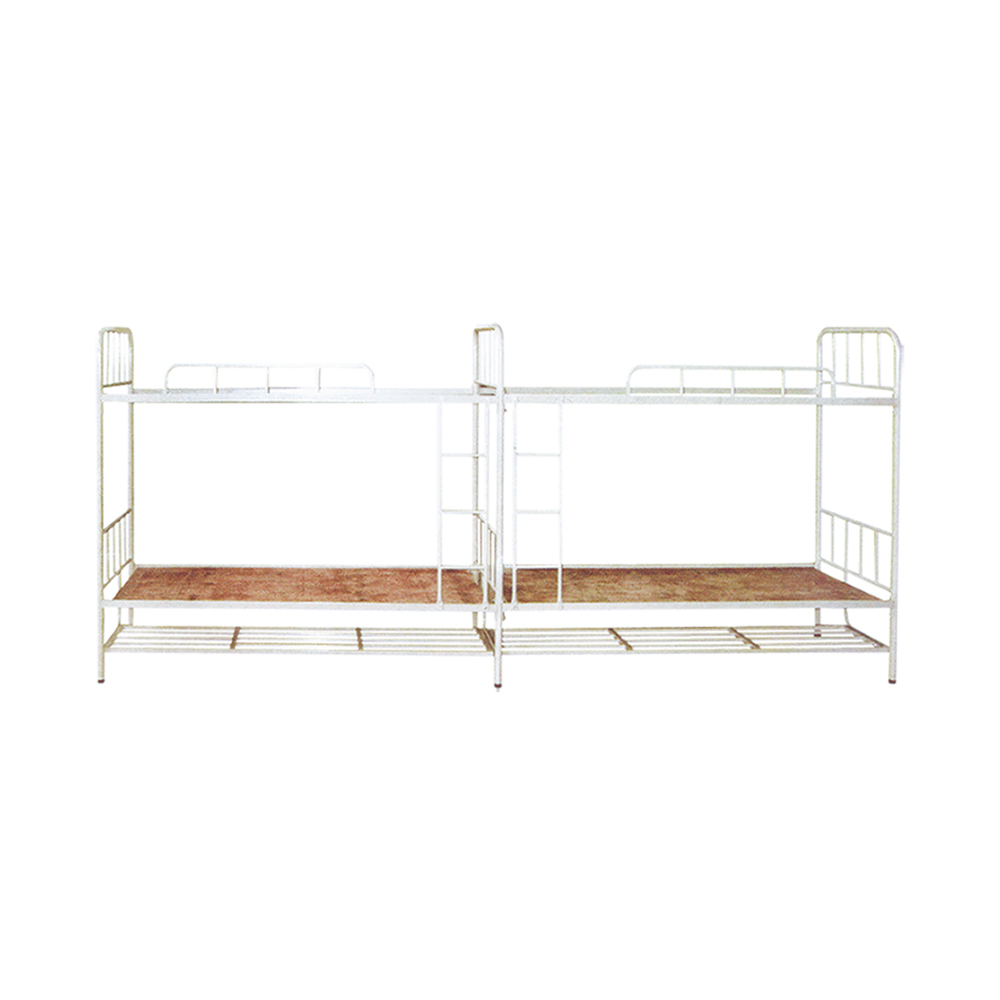
Across many education-related construction and renovation projects, sustainability has become a central evaluation factor. Dormitory spaces are no longer seen only as sleeping areas but also as environments that contribute to student well-being. As a result, material selection for bunk beds is being reviewed more carefully than before.
Educational institutions increasingly consider how furniture materials affect indoor air quality, long-term environmental impact, and maintenance cycles. These considerations are particularly important in shared dormitory environments, where multiple users occupy the same space for extended periods. Even small improvements in material safety and emissions control can contribute to a more stable living environment.
In school bunk bed manufacturing, environmentally friendly materials are often selected based on durability, recyclability, and emission control. Metal-based frames are widely used due to their long service life and ability to be recycled after use cycles are completed. This reduces material waste and supports circular usage models.
Powder-coated steel is commonly applied in structural frames, as it provides surface protection without relying on solvent-heavy coatings. Water-based coating systems are also used in some production processes to reduce chemical emissions during application.
In certain hybrid designs, non-wood or low-emission composite panels may be used for auxiliary components. These materials are selected carefully to ensure they do not release harmful substances during long-term indoor use.
A High Quality School Bunk Bed Supplier typically adopts production strategies that reduce environmental impact while maintaining structural consistency. Precision cutting methods help reduce unnecessary material waste during fabrication. This approach ensures that raw materials are used efficiently, limiting leftover scrap.
Welding processes are optimized to maintain structural strength while avoiding excessive material consumption. By controlling welding points and improving structural alignment, manufacturers can reduce rework rates and improve consistency across production batches.
Surface treatment processes are also carefully selected. Instead of using high-emission coatings, more controlled finishing systems are applied to reduce environmental impact during production. These systems also contribute to improved air quality in manufacturing environments.
Eco-friendly materials contribute directly to improving dormitory living conditions. Since school dormitories are shared environments, air circulation and material emissions can affect multiple students at the same time. Materials with lower emission characteristics help maintain more stable indoor environments.
In addition, environmentally responsible materials often support longer usage cycles. This reduces the frequency of furniture replacement, which is particularly important in educational institutions that manage large-scale dormitory systems. A longer lifecycle also contributes to reduced disruption in student living arrangements.
As environmental awareness continues to grow, material transparency is becoming an important factor in procurement processes. Schools and educational planners are increasingly requesting detailed information about material composition and production methods before making purchasing decisions.
This trend encourages suppliers to continue improving material selection systems and adopt more traceable production processes. Over time, eco-friendly materials are expected to remain a stable consideration in school bunk bed design, influencing both product development and procurement evaluation standards.

Live up to the trust of every customer and strive to create high-quality Shanfeng.
Find Us
Product Center
Contact Details

 English
 русский
 عربى
عربى
 中文简体
中文简体
