Safety considerations in school dormitory furniture extend beyond structural stability and include access components such as ladders. In bunk bed systems, ladders are used frequently throughout the day, making them an important part of overall design safety. A High Quality School Bunk Bed Supplier typically integrates anti-slip ladder steps into bunk bed structures to improve user safety and reduce risks during daily use in educational environments.
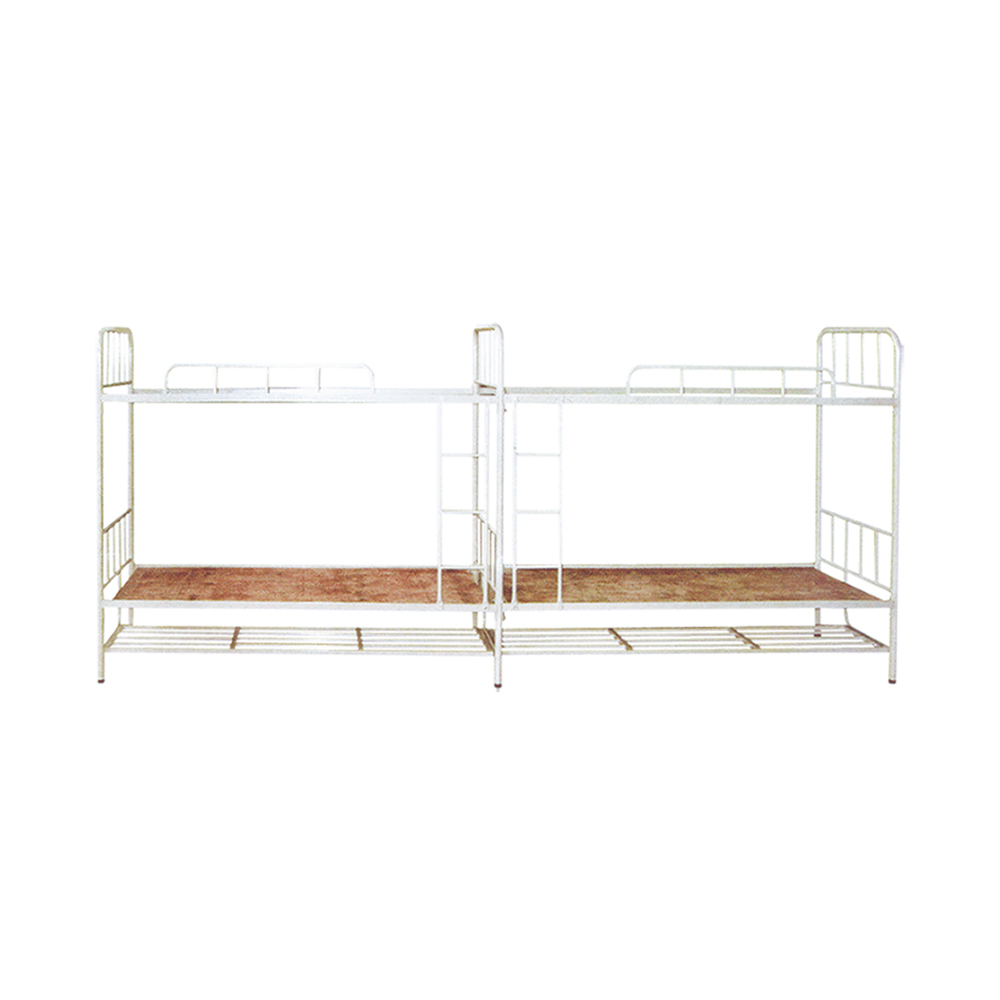
In student dormitories, bunk beds are used by individuals with different habits, movement speeds, and levels of attention. This creates a need for ladder systems that remain stable under repeated use conditions. Since ladders are the main access point to upper sleeping areas, their design directly affects overall safety performance.
Safety Challenges in Ladder Usage
Ladder systems in bunk beds face several safety challenges due to their functional role. One of the most common issues is slipping caused by insufficient surface grip. When students climb up or down, especially in low-light conditions, reduced friction between the foot and ladder surface may increase the risk of accidental slipping.
Another challenge is step width and spacing. If ladder steps are too narrow or unevenly spaced, users may experience discomfort or instability while climbing. This can affect confidence during use and increase the likelihood of missteps.
Structural movement is also a concern. If ladders are not securely connected to the bed frame, slight movement during climbing can reduce stability. Over time, repeated use may amplify these small movements if the structure is not properly reinforced.
Anti-Slip Surface Design Features
To address these challenges, anti-slip ladder steps are designed with surface textures that increase friction. Textured surfaces help improve grip between the foot and the step, reducing the chance of slipping during movement.
Wider step surfaces are also commonly used. A broader stepping area allows users to place their feet more securely, improving balance during climbing and descending. This design consideration is particularly important in shared dormitory environments where users may vary in age and physical coordination.
In some designs, surface coatings are applied to enhance grip performance. These coatings are selected to maintain durability while improving friction levels under repeated use conditions. The goal is to ensure consistent performance over time without requiring frequent maintenance.
Structural Reinforcement of Ladder Systems
Beyond surface design, structural reinforcement plays an important role in ladder safety. Ladder connections to the main bunk bed frame must remain stable under repeated pressure. Reinforced joints help reduce movement during use, which contributes to overall safety and user confidence.
The angle of ladder installation also affects usability. A slightly inclined design can improve climbing comfort and reduce strain during movement. Proper angle selection helps create a more natural stepping motion, which improves stability during use.
In addition, secure fastening systems are used to ensure that ladders remain firmly attached to the bed structure. This helps prevent shifting or loosening over time, especially in high-use dormitory environments.
Material Selection for Safety Performance
Materials used in ladder construction are selected based on both strength and surface performance. Metal materials are commonly used due to their durability and ability to support repeated weight loads.
Surface treatment processes are applied to improve grip and reduce smoothness that may lead to slipping. The combination of structural strength and surface control helps ensure that ladders remain reliable during long-term use.
In some cases, additional protective elements may be included at contact points to reduce wear and improve long-term stability. These elements help maintain consistent performance even under frequent daily use.
Impact on Dormitory Safety and Daily Use
Anti-slip ladder design contributes significantly to improving safety conditions in school dormitories. Since ladders are used multiple times per day, even small improvements in grip and stability can have a noticeable effect on overall user experience.
Students benefit from improved confidence when using bunk bed systems, especially during nighttime or early morning movement. Reduced slipping risk also supports a safer environment in shared living spaces.

Live up to the trust of every customer and strive to create high-quality Shanfeng.
Find Us
Product Center
Contact Details

 English
 русский
 عربى
عربى
 中文简体
中文简体
