In many educational institutions, dormitory space has become a key planning factor when designing student accommodation environments. As student populations grow and available building space remains limited, the need for efficient furniture arrangements continues to increase. In this context, a high-quality school bunk bed supplier plays an important role in providing space-saving bunk bed systems that help optimize room layouts while maintaining practical and comfortable living conditions for students.
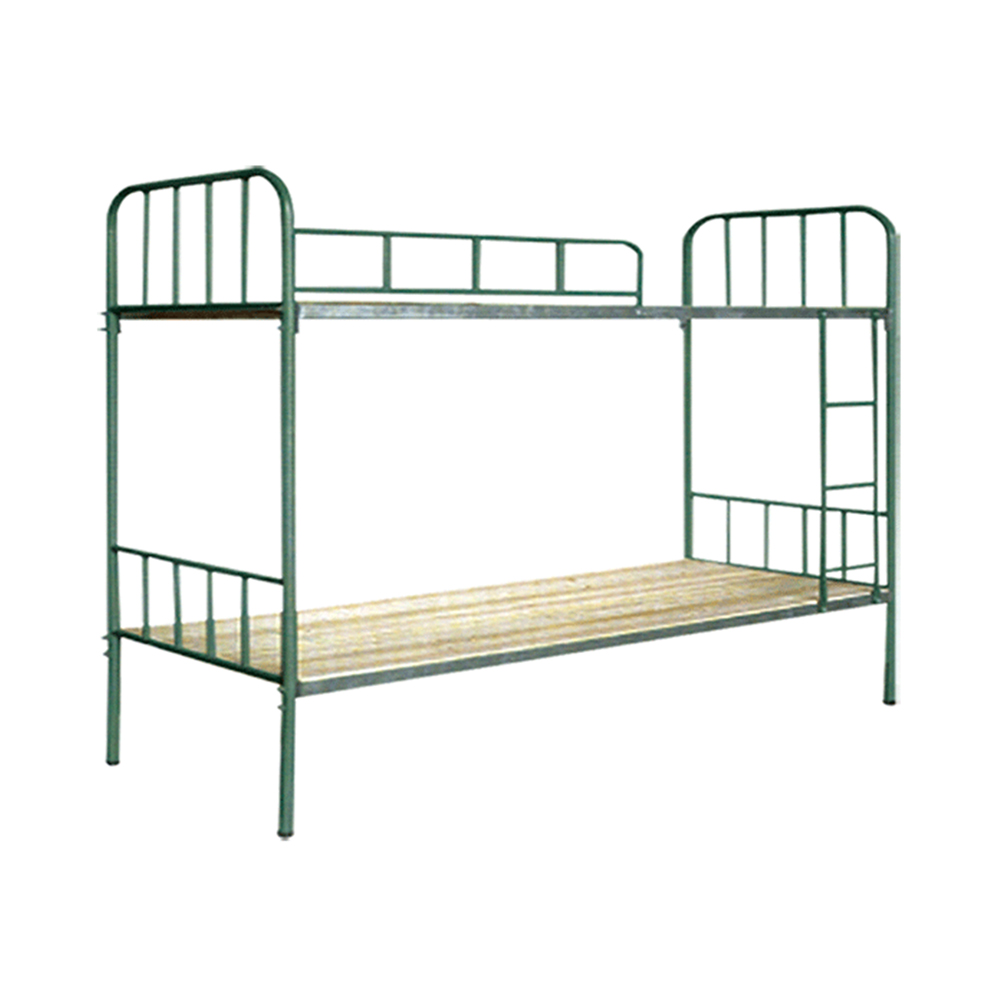
School dormitories are often required to accommodate multiple students within a single room. This creates a challenge for planners who must balance space efficiency with usability. Furniture selection, therefore, becomes an important part of dormitory design, especially when aiming to maximize sleeping capacity without overcrowding the environment.
Increasing Demand for Efficient Dormitory Layouts
Space limitations in school dormitories are common in both urban and expanding educational environments. Many institutions face the challenge of making the most of available floor space while still ensuring that students have enough personal area for rest and daily activities.
Bunk bed systems are widely adopted because they make use of vertical space rather than expanding horizontally. By stacking sleeping areas, institutions can significantly improve room capacity without increasing building size. This approach is particularly useful in smaller dormitory rooms where floor space is restricted.
Efficient layout planning also considers movement space, storage needs, and accessibility. Furniture must be arranged in a way that allows students to move comfortably within the room while still maintaining efficient space utilization.
Common Space-Saving Bunk Bed Configurations
There are several bunk bed configurations used in school dormitory environments, each designed to address different spatial requirements.
Standard vertical bunk beds remain one of the most commonly used designs. This structure places one bed above another, allowing two sleeping areas within the footprint of a single bed.
L-shaped bunk bed arrangements are also used in corner spaces. This design helps utilize room corners more effectively and can create additional open areas within the dormitory.
In some cases, bunk bed systems are designed with integrated storage features. These designs combine sleeping and storage functions within a single structure, reducing the need for additional furniture pieces and improving overall space efficiency.
Integrated Functional Furniture Design
Modern bunk bed systems often include integrated features that support student living needs beyond sleeping arrangements. Storage compartments are frequently built into stairs or side panels, allowing students to store personal items within their sleeping area.
Some designs include study-related features such as attached desks or shelving systems. This allows students to use the same furniture structure for both rest and academic activities, reducing the need for separate study furniture.
Integrated design approaches help simplify dormitory layouts by combining multiple functions into a single system. This contributes to better organization and reduces clutter in shared living spaces.
Space Optimization Strategies in Dormitory Planning
Effective dormitory planning involves more than just selecting furniture. It also includes careful arrangement of beds and circulation areas. Proper spacing between bunk bed units ensures that students can move safely and comfortably within the room.
Vertical utilization is a key strategy in maximizing space efficiency. By expanding upward rather than outward, dormitory planners can increase capacity without significantly changing room dimensions.
In addition, modular furniture systems allow for flexible arrangements. This flexibility enables institutions to adapt room layouts based on changing student numbers or usage requirements.
Benefits for Educational Institutions
Space-saving bunk bed solutions provide several advantages for educational environments. They allow institutions to accommodate more students within existing infrastructure, which is especially useful in areas where expansion is limited.
Efficient furniture layouts also contribute to better organization of dormitory spaces. When rooms are arranged thoughtfully, students benefit from clearer movement paths and more structured living conditions.
A High Quality School Bunk Bed Supplier that focuses on space-efficient designs supports educational institutions in achieving a better balance between capacity and comfort. This helps create dormitory environments that are practical, organized, and suitable for daily student life.

Live up to the trust of every customer and strive to create high-quality Shanfeng.
Find Us
Product Center
Contact Details

 English
 русский
 عربى
عربى
 中文简体
中文简体
