Modern Tiered Seating Wholesaler highlights the variety of material choices available for tiered seating systems, emphasizing how proper selection can improve durability, comfort, and usability. Public venues, educational institutions, and commercial spaces all benefit from seating that combines functionality with longevity. Material selection affects structural strength, maintenance needs, safety, and overall appearance, making it a key consideration when planning tiered seating installations.
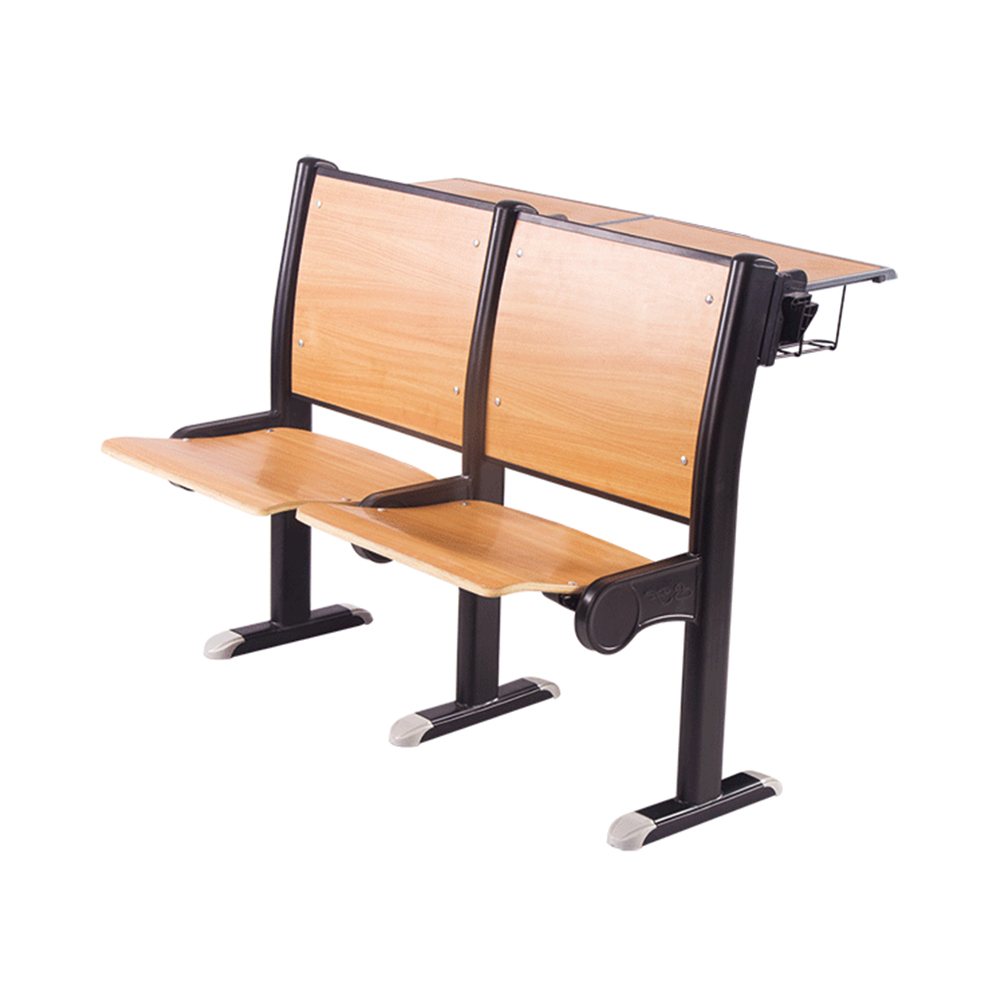
The structural frame forms the foundation of any tiered seating system. Common options include steel and aluminum, each offering distinct advantages. Steel is known for its robustness and capacity to support heavier loads. Its solid construction makes it suitable for environments with frequent usage, providing reliable stability over time.
Aluminum, in contrast, offers a lighter weight while still maintaining sufficient strength. It is often used in modular or portable seating arrangements, where mobility and flexibility are important. Both materials should be treated to resist corrosion and wear, ensuring long-term performance and maintaining safety standards.
The surface material of seating areas directly impacts comfort and user experience. Plastic, wood, and composite materials are commonly used in tiered seating designs. Plastic seats are durable, easy to clean, and resistant to spills, making them practical for high-traffic areas. Wood provides a warm and natural aesthetic while remaining sturdy, though it may require additional finishing to prevent wear. Composite materials combine the benefits of multiple materials, offering strength, comfort, and ease of maintenance.
Padding or upholstery can be incorporated for additional comfort, particularly in venues where attendees may be seated for extended periods. The choice of surface material should balance usability, comfort, and durability to suit the intended purpose of the space.
Different venues place unique demands on tiered seating materials. Educational environments often require surfaces that withstand frequent cleaning, movement, and occasional impact. Public performance spaces may prioritize durability and ease of maintenance while maintaining a polished appearance.
Commercial spaces, such as conference rooms or exhibition areas, may favor modular seating systems that can be reconfigured quickly. Materials should be selected with environmental conditions in mind, including exposure to sunlight, humidity, or temperature variations, to maintain integrity and appearance over time.
Material choice is closely linked to safety and compliance. Non-slip surfaces, rounded edges, and flame-resistant finishes contribute to a secure environment. Selecting materials that meet local regulations for fire safety and structural stability is essential, particularly in venues with large audiences.
Additionally, materials should be resistant to wear and degradation, reducing the likelihood of sharp edges, splinters, or instability over time. Careful material selection helps create a seating system that is safe, durable, and functional for years of consistent use.
Maintenance requirements vary depending on the chosen materials. Plastic surfaces can be wiped clean quickly and require minimal upkeep. Wood surfaces may need periodic refinishing or treatment to prevent wear and maintain appearance. Composite materials generally offer a balance of durability and low maintenance.
Long-term performance is influenced not only by material selection but also by regular inspection and care. Replacing or repairing worn components promptly ensures continued safety and usability, extending the life of the seating installation.
While cost is a consideration, selecting materials for tiered seating should focus on overall value rather than initial expense alone. Durable materials reduce long-term maintenance costs and minimize the need for replacement. Flexible material options can also allow venues to adapt seating arrangements as needs evolve, enhancing functionality without significant additional investment.
Modern Tiered Seating Wholesaler emphasizes the importance of careful material selection in tiered seating systems. From structural frames to seating surfaces, choosing appropriate materials affects durability, safety, comfort, and maintenance. By considering the specific needs of educational, public, and commercial venues, planners can select materials that meet usage demands while maintaining a reliable and functional seating environment. Proper material choices ensure that tiered seating provides a secure, practical, and comfortable experience for all users over time.

Live up to the trust of every customer and strive to create high-quality Shanfeng.
Find Us
Product Center
Contact Details

 English
 русский
 عربى
عربى
 中文简体
中文简体
