Modern Tiered Seating Wholesaler emphasizes the critical role of safety in public seating environments. Public spaces, including lecture halls, theaters, auditoriums, and commercial venues, often accommodate large numbers of people simultaneously. Ensuring that seating arrangements meet safety standards is essential to protect users, reduce liability, and create an environment where attendees can feel comfortable and secure. Tiered seating, while providing visibility and space efficiency, requires careful attention to structural design, materials, accessibility, and emergency preparedness.
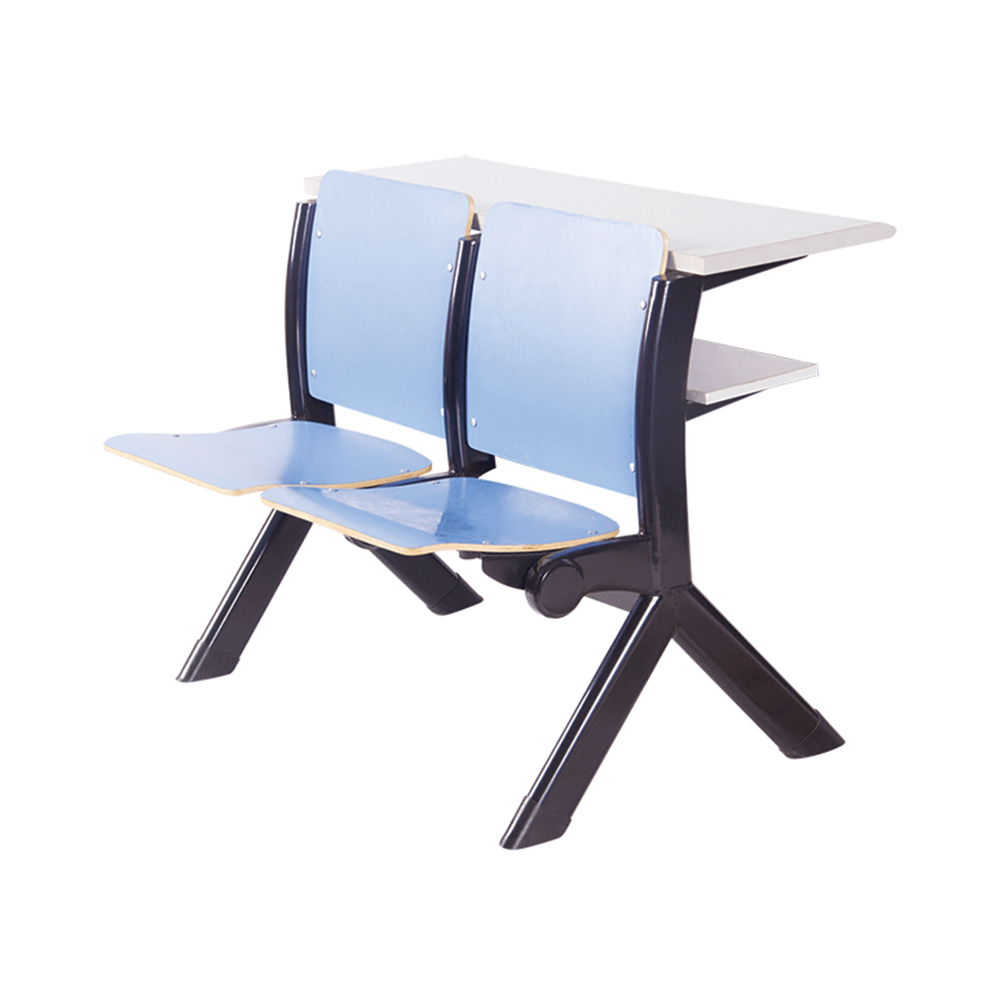
The foundation of safety in tiered seating begins with structural stability. Seating frameworks must be designed to handle consistent loads and resist shifting or tipping. Fixed structures provide strong support and prevent movement, while modular systems require secure connections between units. Proper anchoring to floors and walls is necessary to maintain overall integrity.
Materials used in the structural frame, such as metals or reinforced composites, should provide sufficient strength for both daily use and occasional heavy occupancy. Ensuring that support beams, brackets, and joints are correctly installed and regularly inspected helps maintain long-term reliability and reduces the risk of structural failure.
The choice of materials for seating surfaces and supports directly impacts safety. Non-slip surfaces, rounded edges, and durable finishes can prevent common injuries, such as slips, trips, and abrasions. Materials should be resistant to wear and capable of withstanding frequent use without deterioration.
In addition, fire-resistant or flame-retardant materials are important in public settings to comply with local safety regulations. These materials reduce the risk of fire spreading and provide additional time for evacuation if an emergency occurs. Material selection should also consider exposure to sunlight, humidity, or other environmental factors that could affect long-term safety and usability.
Safety extends beyond structural concerns to include accessibility for all users. Tiered seating areas should provide level platforms or designated spaces for wheelchair users, along with clear paths for entry and exit. Handrails along steps and aisles improve stability for individuals who may require additional support.
Clear signage and markings help users navigate safely, especially in larger venues where sightlines can be obstructed. Considerations for height differences, step depth, and aisle width ensure that public seating is inclusive and easy to use for all attendees, including those with limited mobility.
Public seating arrangements must accommodate emergency evacuation procedures. Adequate aisle spacing, unobstructed exits, and proper signage are essential to enable rapid egress in case of fire, medical incidents, or other emergencies.
Planning for emergencies also includes considering the placement of equipment such as fire extinguishers, alarms, and first-aid stations. In tiered seating areas, maintaining clear sightlines to exits and ensuring that all platforms are accessible can significantly reduce risks during critical situations.
Regular inspection and maintenance are essential to uphold safety standards over time. Seats should be checked for loose bolts, worn materials, or damage that could compromise stability. Cleaning routines should avoid slippery surfaces, and protective coatings or treatments should be reapplied when needed.
Maintenance planning should also include adjustments to accommodate changing usage patterns. Public seating may be used for a variety of events, and ensuring that the configuration remains safe and functional for different scenarios is an important aspect of responsible facility management.
Prioritizing safety in tiered seating systems not only protects users but also enhances confidence in public spaces. Attendees are more likely to participate fully when they feel secure, which improves the overall experience. Institutions and venues that emphasize safety also demonstrate responsibility and foresight, reducing potential liability issues.
A well-maintained and thoughtfully designed seating system can last longer, withstand higher usage, and remain functional under different conditions. Safety-focused approaches contribute to sustainability and cost-effectiveness over the lifecycle of the seating installation.
Modern Tiered Seating Wholesaler highlights the importance of safety in all aspects of public seating design and management. From structural stability and material selection to accessibility, emergency preparedness, and ongoing maintenance, careful attention to safety ensures that public spaces are welcoming, functional, and secure. Properly implemented safety measures protect both users and facilities, creating environments that are comfortable, efficient, and reliable for all types of public events.

Live up to the trust of every customer and strive to create high-quality Shanfeng.
Find Us
Product Center
Contact Details

 English
 русский
 عربى
عربى
 中文简体
中文简体
