Modern Tiered Seating Wholesaler provides valuable guidance on seating layout ideas for lecture halls, helping educational institutions and training facilities design spaces that combine visibility, accessibility, and comfort. Tiered seating is essential in environments where audience engagement and clear sightlines are critical. By arranging seating thoughtfully, venues can ensure that every participant has a clear view of the presenter, screens, or performance area, while maintaining efficient use of available space.
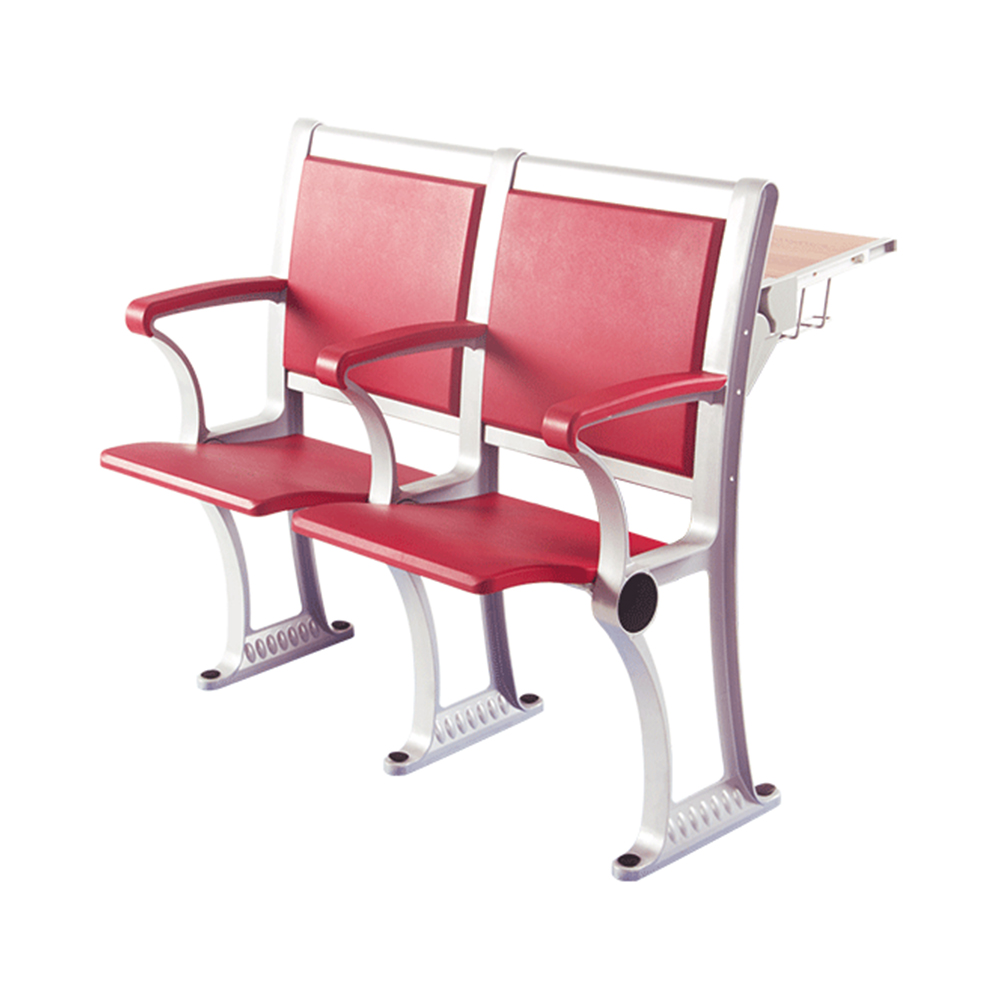
Lecture halls vary in size and purpose, and seating layouts should reflect these differences. Straight row layouts are commonly used in smaller lecture rooms where space is limited. This arrangement allows for easy installation and provides a straightforward path for aisles and exits. However, for larger halls, a curved or fan-shaped layout can enhance sightlines and create a more immersive experience for attendees. This configuration ensures that individuals seated at the sides have a better view of the front stage or teaching area.
In addition to traditional layouts, tiered seating can be arranged in flexible modules to accommodate changes in room usage. Movable platforms or modular steps allow facilities to adjust seating configurations according to the needs of different classes or events, creating a multifunctional learning environment.
One of the most important factors when designing lecture hall seating is ensuring that every participant has an unobstructed view. Proper elevation between rows, along with staggered seating, allows each person to see the front without obstruction. This also reduces neck strain and creates a comfortable experience for longer sessions.
Spacing between rows and seats should be planned to allow smooth movement and easy access to exits. Wider aisles in central areas provide safe passage and comply with accessibility standards. Adequate spacing is also crucial for accommodating individuals with mobility challenges, ensuring the lecture hall is inclusive for all attendees.
Maximizing seating capacity without compromising comfort is a key consideration. Designers can calculate the optimal number of seats for each row based on room dimensions and sightline requirements. While it may be tempting to fill every available space, overpacking a lecture hall can lead to discomfort and safety concerns.
Efficient use of space also includes incorporating tiered steps, which allow more participants to be seated in a smaller footprint while maintaining visibility. Proper planning ensures that classrooms and lecture halls can accommodate a sufficient number of attendees without feeling overcrowded, creating a balance between capacity and comfort.
Modern lecture halls often include audio-visual systems, projectors, and digital displays. When planning seating layouts, it is important to account for these elements to ensure that all participants have a clear view and access to equipment.
In addition, facilities may consider integrating small desks, writing surfaces, or power outlets to enhance the learning experience. Thoughtful placement of seating in relation to teaching tools improves engagement and interaction between instructors and attendees.
Accessibility is an essential aspect of lecture hall design. Tiered seating should include options for wheelchair users, with clear pathways and level platforms. Safety features, such as handrails along aisles and non-slip surfaces on steps, are important to prevent accidents.
Emergency exits should be clearly visible and easily accessible from all seating areas. Proper spacing and layout also facilitate quick evacuation in case of emergencies. These considerations ensure that the lecture hall is safe and accommodating for all participants.
A well-planned lecture hall layout improves the overall experience for both instructors and attendees. Participants can focus on the presentation without obstruction, and instructors can engage more effectively with the audience. Tiered seating also enhances acoustics by preventing sound from being blocked by rows of attendees.
Thoughtful layouts contribute to better space utilization, allowing institutions to host more events or classes without needing additional rooms. They can also simplify maintenance and cleaning by creating organized aisles and seating arrangements that are easy to navigate.
Modern Tiered Seating Wholesaler emphasizes the importance of careful seating layout planning for lecture halls. By considering sightlines, spacing, capacity, equipment integration, accessibility, and safety, educational institutions can create spaces that foster learning and engagement. Properly arranged tiered seating ensures that every participant has a clear view, a comfortable experience, and safe access throughout the venue. This approach allows lecture halls to serve diverse functions efficiently while providing a welcoming and organized environment.

Live up to the trust of every customer and strive to create high-quality Shanfeng.
Find Us
Product Center
Contact Details

 English
 русский
 عربى
عربى
 中文简体
中文简体
