In shared student accommodation environments, furniture performance plays an important role in daily living comfort. Among various concerns, noise generated by bunk bed structures is often noticed during long-term use. A high-quality school bunk bed supplier is expected to address this issue through structural optimization, material selection, and improved assembly design to ensure that bunk bed systems remain stable and quiet under frequent usage conditions.
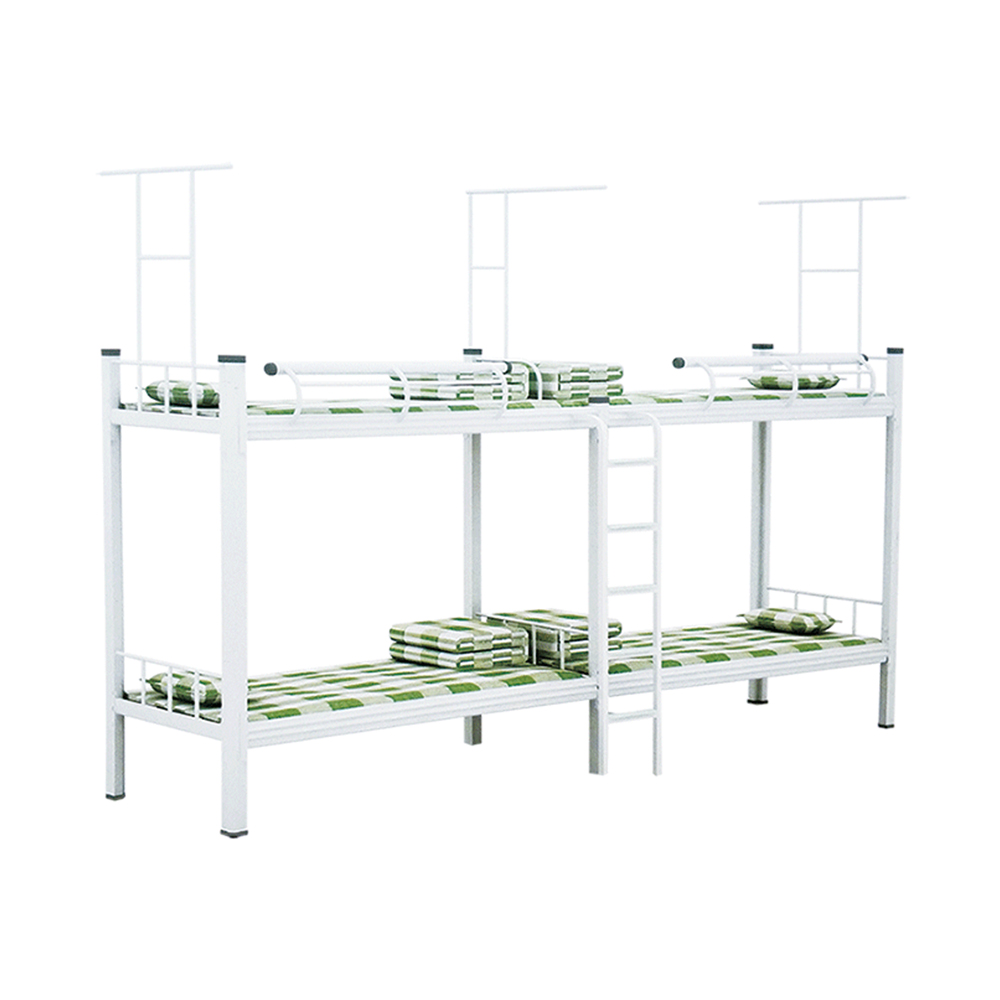
In school dormitories, bunk beds are used continuously by students with different movement habits and schedules. Over time, even small structural movements can produce squeaking sounds or vibration noise. These issues may not affect basic functionality, but they can influence overall comfort in shared sleeping environments where quiet conditions are preferred.
Common Sources of Noise in Bunk Bed Systems
Noise in bunk bed structures typically originates from movement between connected components. Metal frames, which are widely used in school dormitory furniture, can produce sound when friction occurs at joint points. This is especially common when structural connections experience repeated pressure during daily use.
Fastening systems may also contribute to noise generation. When bolts or connectors gradually loosen over time due to continuous usage, slight movement between components can occur. This movement often leads to creaking or squeaking sounds when the bed is in use.
Another factor is vibration transfer across the frame structure. When pressure is applied to one part of the bed, the vibration may travel through connected components, amplifying minor movements into noticeable sound. This effect can become more visible in multi-level bunk bed systems.
Structural Reinforcement Approaches
One of the primary methods used to reduce noise is improving structural reinforcement. A stable connection system helps limit unnecessary movement between components, reducing the likelihood of friction-based sound generation.
Reinforced joints are designed to maintain tighter structural alignment over time. This helps ensure that repeated use does not significantly affect the stability of connection points. By reducing internal movement, the overall structure becomes quieter during daily use.
In addition, improved fastening systems are often used to maintain consistent tension across key connection areas. These systems are designed to reduce loosening over time, helping to maintain structural stability even after long-term use in busy dormitory environments.
Material Selection and Surface Treatment
Material selection plays an important role in controlling noise levels. Steel components with appropriate thickness can help reduce vibration during use. Thicker structural elements generally provide better stability, which helps limit movement-related sound.
Surface treatment is another important factor. Smooth coating processes are applied to reduce friction between metal components. When surfaces interact more smoothly, the likelihood of squeaking sounds is reduced.
In some cases, protective layers are added to key contact points. These layers act as buffers that absorb minor vibrations and reduce direct metal-to-metal contact. This approach helps improve acoustic comfort without affecting structural strength.
Assembly Design and Structural Precision
Bunk bed systems are often designed with modular assembly structures that require precise alignment during installation. Accurate fitting between components helps reduce gaps that may lead to movement and noise over time.
Design systems often include guided connection points to support correct assembly. This reduces the risk of misalignment, which can contribute to structural instability and sound generation.
During installation in school dormitories, proper assembly procedures are important to ensure that all components are correctly secured. Even small deviations in alignment can affect long-term performance and sound levels.
Long-Term Performance in Dormitory Environments
In shared dormitory spaces, reducing noise contributes to a more comfortable living environment. Students often share rooms in proximity, making sound control an important factor in furniture design.
By focusing on structural reinforcement, material optimization, and assembly precision, bunk bed systems can maintain quieter performance over extended periods of use. This improves overall comfort and supports a more stable living environment for students.
A High Quality School Bunk Bed Supplier typically integrates these considerations into product development to ensure that furniture systems remain suitable for continuous educational use. Noise reduction becomes part of a broader focus on durability, safety, and user experience in dormitory furniture design.

Live up to the trust of every customer and strive to create high-quality Shanfeng.
Find Us
Product Center
Contact Details

 English
 русский
 عربى
عربى
 中文简体
中文简体
